Visual guide to common grommets defects and what causes them (pressure, die, material…)
When grommets fail, it’s almost never bad luck. In footwear, leather goods, curtains or advertising tarpaulins, that small detail usually tells you something isn’t matching up between material, setup and pressure. Spotting it early can save you rejected parts, downtime and a lot of waste.
The interesting part is that many defects look similar, but they don’t come from the same place. A weak closure can be caused by lack of force, but also by a worn die for grommets or by uneven thickness. That’s where a quick visual check makes the difference.
In production, it’s worth always observing three areas: the visible head, the back side and the edge of the hole. If one of those areas changes from one piece to the next, the process is giving you a clear signal.
- Visual signs on the edge, the closure and the back face.
- Frequent issues in textile, tarpaulin, PVC, footwear and leather goods.
- Quick checks of the machine, tooling, pre-punched hole and component.
The good news is that almost all of these faults can be interpreted before the run keeps moving forward. And in a demanding line, that’s worth a lot.
How to read each grommets defect without stopping half the production
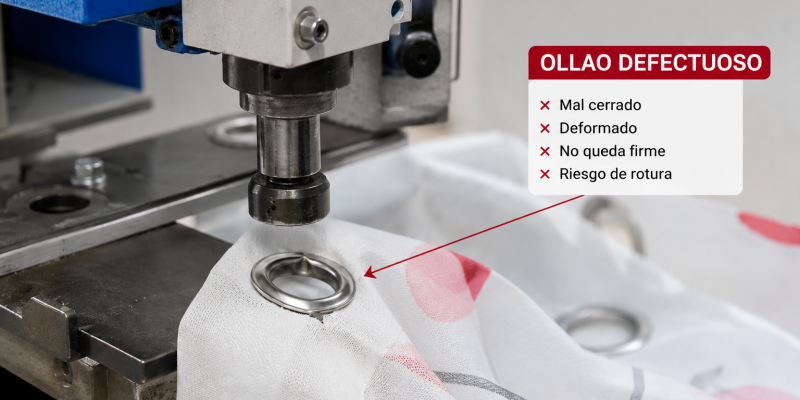
With poorly set grommets, your eyes often catch the problem before any final inspection does. If you see a piece that’s lightly riveted, open or rotated, the first thing is to check whether the closure is short, uneven or loose. It usually points to insufficient machine pressure, a poor match between the hole and the component, or a tool that’s no longer working cleanly.
When it shows up deformed, flattened or overly opened, the clue changes. That’s usually too much pressure, misalignment, or a material that doesn’t support the closure well. If you also see visible marks or an irregular back side, check the part support and the condition of the seat as well.
And what if the material tears around it? Normally the pre-punched hole isn’t right, the thickness varies, or the substrate is too delicate for the chosen assembly. With elastic or rigid materials, a short test before the run prevents many headaches.
- If it’s loose or rotates, check the hole, closure firmness and component quality.
- If it’s off-centre, check alignment between the machine, tool, part and feed.
- If one back side differs from another, suspect wear, setup or thickness variation.
- If the material marks or gets pinched, review the support, stroke and the material’s sensitivity.
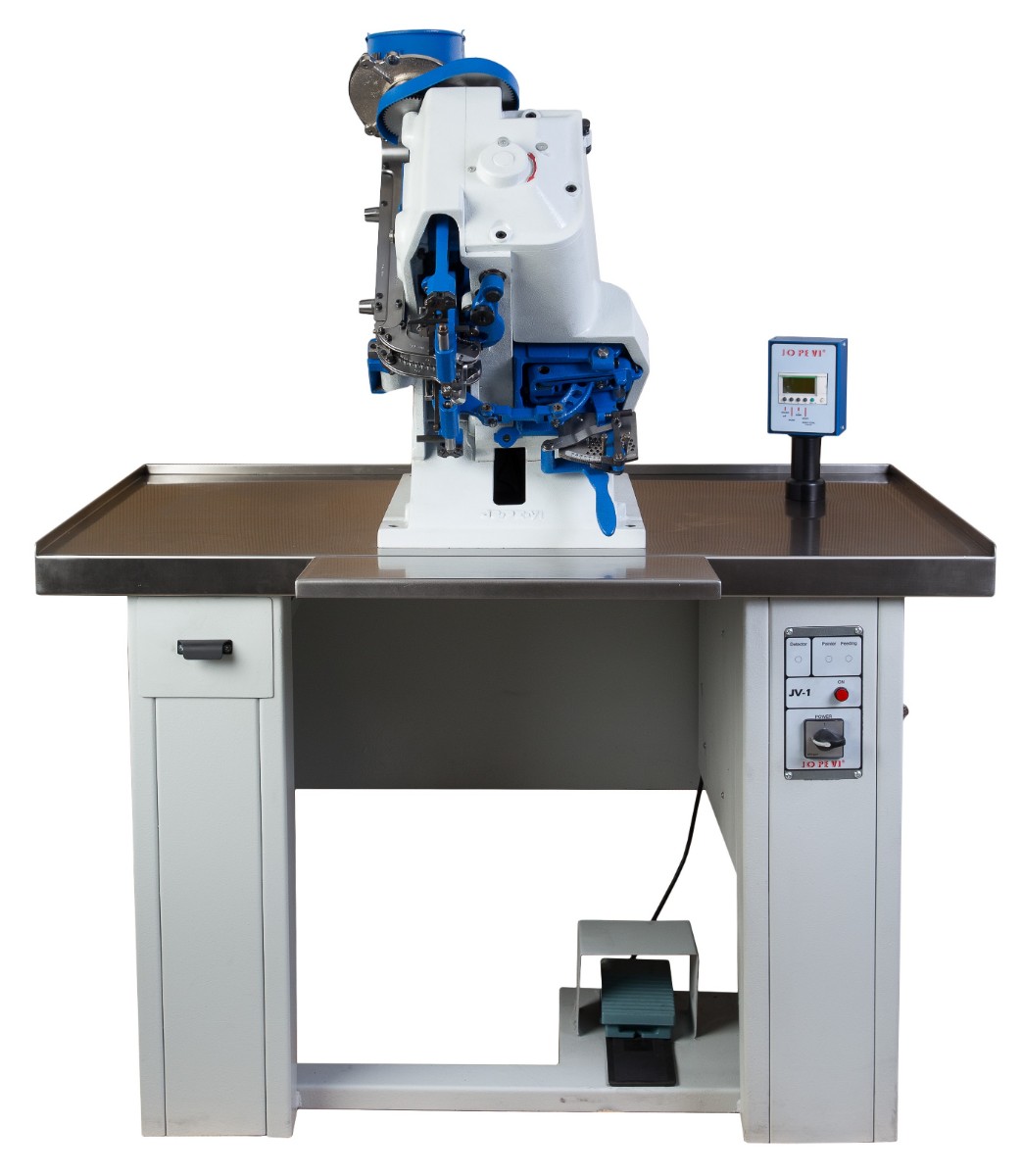
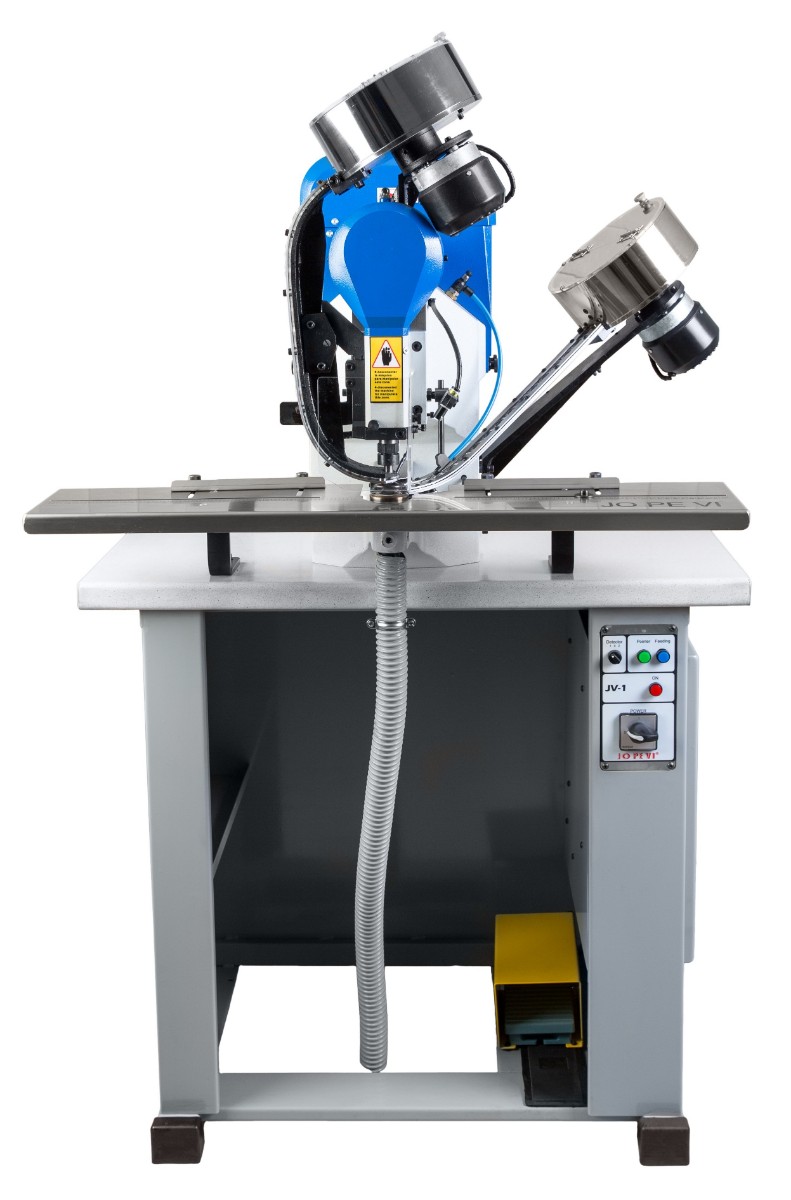
At JOPEVI we work with manual, pneumatic and automatic solutions, from J-21, J-22 and J-25 to equipment for more continuous processes. When the system is well chosen and properly set up, visual reading stops being an emergency and becomes control.
Behind every grommets issue, there’s us, with real experience since 1969
When we see defective grommets, we don’t look only at the piece. We look at the whole setup. We have more than 55 years of experience in industrial machinery, and we know a poor finish can come from the tooling, the material, the setup, or a combination of factors that isn’t always obvious at first glance.
We started in 1969 as a repair workshop for footwear machinery, and today we manufacture our own solutions from Elche Parque Empresarial. That evolution allows us to speak with confidence when a line works with garment making, curtains, digital printing, leather goods or technical tarpaulins.
If you want to understand better our track record as a machinery manufacturer since 1969, you’ll see why we place so much importance on pre-testing, the right tool and close, practical advice. In this industry, good setup prevents more incidents than it seems.
If your process shows differences between pieces, irregular closures, or questions about setting grommets, we can help you review the system with a practical approach tailored to your material.
- In-house manufacturing of machinery for setting eyelets and grommets.
- Personalised advice by sector, material and production type.
- Experience in textile, cardboard, tarpaulins, plastic and PVC.
- International distribution and close support from Alicante.
- Office: C/ Nicolas De Bussi, 32 (Elche Parque Empresarial), Elche, Alicante
- Phone: +34 966 65 10 08
- Email: info@jopevi.es