What a plant manager should look for when visiting a footwear machinery trade fair
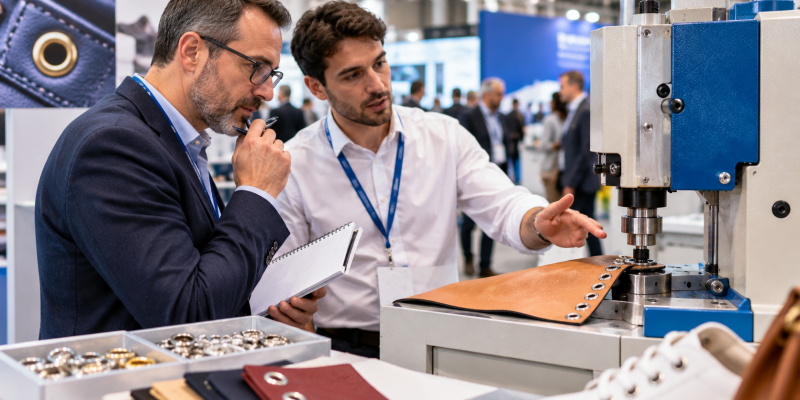
Visiting a footwear machinery trade fair with a smart buying mindset is not about being impressed by the most eye-catching machine in the hall, but about identifying which equipment can truly fit into your plant. The difference between a useful investment and a purchase that ends up causing adjustments, downtime and extra costs is often found in something far less spectacular: assessing it with operational criteria.
A plant manager does not go to a trade fair just to look for innovation, because novelty alone does not improve a production line. The aim is to check whether a machine can maintain the real pace the factory needs, work with stability, reduce errors and allow fast changeovers when different references are involved, something especially important in footwear, leather goods, garment manufacturing and sectors where finishes leave no room for improvisation.
That is why it is worth arriving with a clear list of needs. A company producing long runs with few variations is not the same as one that changes model, material and size several times a day. The best machine is not the most complete one on paper, but the one that solves your process best, with the lowest possible impact on downtime, staff training and maintenance.
In the case of machines for placing grommets and eyelets, this approach is even more important, since an apparently simple setting operation can affect the finish, rejected parts and the repeatability of the work. A polished demonstration lasts only a few minutes, but factory reality is measured across full shifts, shift changes and materials that do not always behave in the same way.
What a footwear machinery trade fair really reveals when you look beyond the demo
Footwear machinery is best understood when it is observed as part of a production system, not as an isolated piece of equipment. At a trade fair, almost everything works well for a few minutes, so your task is to find out how the machine will behave when it has to produce consistently, with different operators, variable materials and repeated quality requirements over several weeks.
The first criterion is real performance. It is not enough to ask how many pieces per hour the machine can reach under ideal conditions, because that figure may hide pauses, adjustments or highly controlled preparation beforehand. What matters is how many pieces it can maintain steadily, with what error margin and under which conditions that figure was obtained. Sustainable productivity is worth more than a speed peak in a demo.
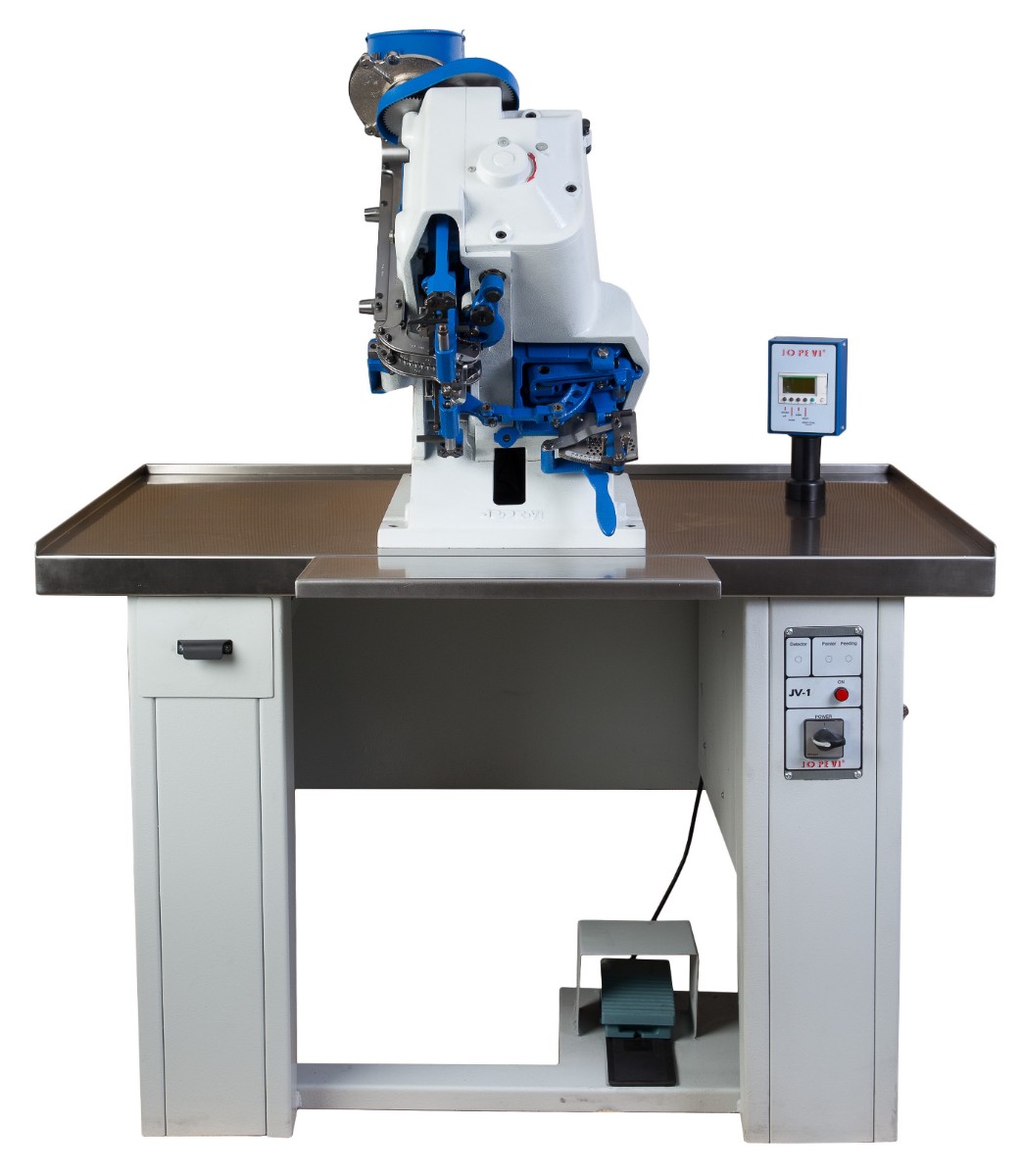
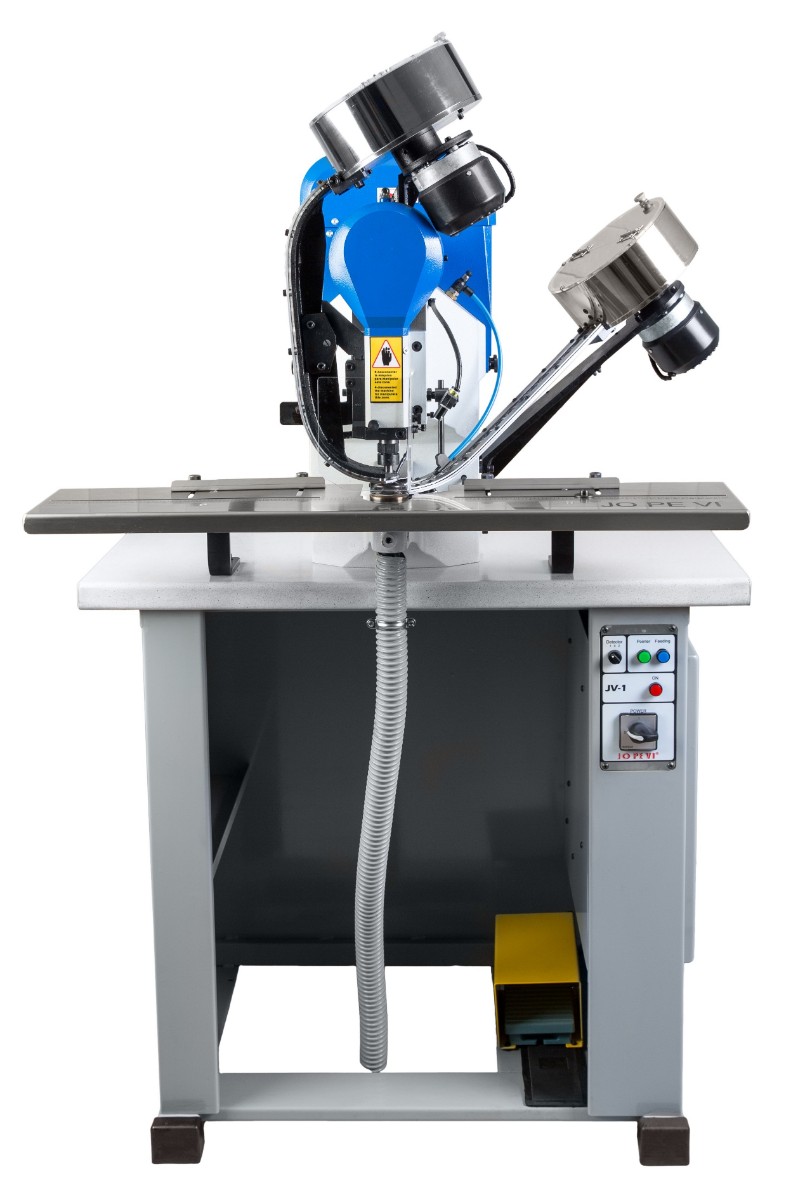
The second point is placement precision. If you are evaluating an eyeleting machine or a system for eyelets and rivets, pay attention to alignment, applied pressure and consistency from one piece to the next. It is worth asking for several consecutive repetitions, watching for deviations and checking the final result on materials similar to your own. Good equipment does not only work quickly; it also maintains the standard when the production run gets longer.
Ease of use then comes into play. Some machines look intuitive in the hands of the exhibitor’s technician, but not so much when they are used by a new operator or by a less experienced shift. Ask how long start-up takes, which adjustments are manual and which have been simplified, and whether changing between sizes or formats forces production to stop for too long. A profitable machine must also make it easy to repeat the job well.
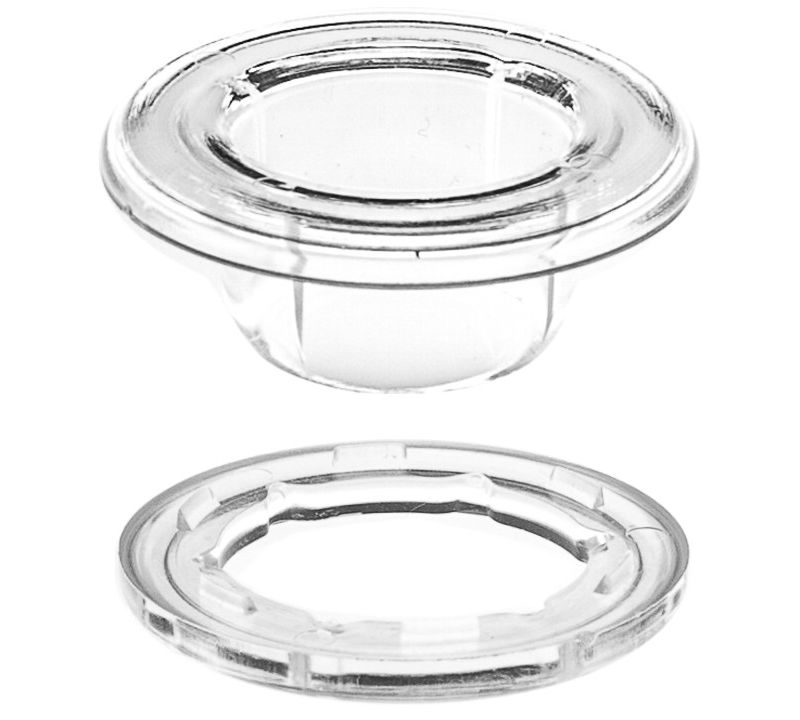
With machines for placing grommets and eyelets, certain questions make all the difference. It is useful to know which materials the machine handles most comfortably, whether it accepts different thicknesses, what range of components it can fit and how long it takes to move from one reference to another. It is also advisable to request a demonstration with complex or less forgiving parts, because that is where the real limitations that do not appear in a standard test often become visible.
Do not overlook maintenance or technical support. A machine may seem attractive at the time of purchase and later become a constant source of waiting if it needs hard-to-find spare parts, frequent adjustments or remote support. Before leaving the stand, note service times, parts availability and the manufacturer’s ability to assist after installation. Comparing manufacturers means looking at the total cost of use, not just the initial price.
Why footwear machinery requires manufacturers that understand your process, not just the machine
Footwear machinery should not be chosen as if it were generic equipment, because every factory combines different production rates, materials, operators and finishes. We believe a good decision begins when the manufacturer understands the whole process and knows how to connect the machine with daily work, especially in operations such as placing grommets, eyelets and rivets, where small repeated faults can have a significant impact on cost and quality.
This is where a specialist company can provide clear value. JOPEVI, founded in 1969 and based in Elche, has built its experience around the design and manufacture footwear machinery for placing eyelets and grommets, as well as solutions for sectors such as footwear, leather goods, garment manufacturing and other industrial environments that require reliability and adaptability. More than five decades in this niche do not replace a technical test, but they do provide context and process knowledge.
When you visit a trade fair and compare different options, try to leave each stand with the same information, because only then will you be able to decide with proper criteria. Bring your own questions, ask to see format changeovers, observe how the machine behaves in repeated runs and note which manufacturer answers most clearly when you talk about maintenance, integration and real production. If you want to prepare that conversation in more detail, you can contact JOPEVI’s technical team directly and share the specific needs of your plant.
In the end, the best purchase is usually not the one that attracts the most attention at the fair, but the one that best adapts to your production over the years. That is the approach to keep in mind when evaluating footwear machinery, because a sound investment is noticed less on the stand and much more in the stability of the workshop, in fewer incidents and in the peace of mind with which your team works every day.
- Phone: +34 966 65 10 08
- Email: info@jopevi.es
- Address: C/ Nicolás De Bussi, 32 (Elche Parque Empresarial), Elche, Alicante, España