How to reduce downtime in the grommets area and avoid unnecessary production costs
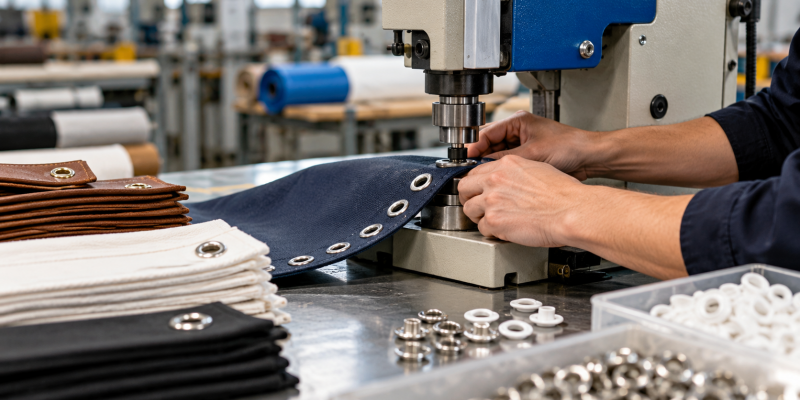
In many factories, grommets do not create problems on their own. The real cost appears when their setting is interrupted again and again by adjustments, jams, reference changes or minor faults that may seem manageable at the time, but by the end of the week weigh on production far more than expected.
What stands out is that the most serious losses usually do not come from a major breakdown, but from repeated micro-stoppages that become normal in day-to-day work. A few minutes to readjust a machine, a few more to correct a poorly positioned part, a pause due to a lack of feeding or a quick maintenance intervention end up creating a silent total that affects the pace of the entire line.
This is especially noticeable in sectors such as footwear, leather goods and garment manufacturing, where different materials, changing orders and frequent format changes coexist. When preparation between jobs is not properly resolved, the team loses continuity and production falls into a cycle of starts and stops that complicates deadlines and increases the cost of every batch.
That is why reducing downtime at this stage is not only about working faster. It mainly depends on working with fewer interruptions, with better prepared processes, more stable operations and machinery that truly fits the way each company produces.
Why does setting grommets become a source of invisible losses?
Grommets are usually part of an operation that, on paper, seems simple. However, in practice it brings together many of the small misalignments that disrupt workflow, especially when the same line has to move from one material to another, from one size to another or from one product to another in a short time.
A very common case is the frequent change of references. Working on a footwear component is not the same as working on a leather goods item or a textile application. Each material reacts differently, requires specific preparation and may involve checking pressure, position or feeding method. If that change is not standardised, each new order starts with doubts, tests and corrections.
Feeding problems are also common. When the supply of components is not smooth or occasional jams appear, the operator stops producing in order to intervene, check and restart. Sometimes the stop is short, but it breaks the pace, increases fatigue and multiplies the risk of errors in the following pieces.
Another source of loss appears with minor breakdowns or postponed maintenance. A machine can continue running for days with signs of wear, play or accumulated dirt, but that apparent continuity usually proves expensive. What is not checked in time ends up stopping at the worst possible moment, usually when the order is urgent and the room for reaction is already minimal.
Added to this are errors during setting. A poorly presented part, an unnecessary repeat or a manual correction not only consumes time, but also affects the uniformity of the finish. In products where aesthetics and precision matter, this type of fault leads to rejections, rework and delays that are transferred to the final cost.
The consequence is clear. When an operation accumulates constant interruptions, productivity per real hour worked drops, delivery times are affected and the profitability of the order is reduced. No major incident is needed to lose money, because a chain of small inefficiencies is enough to erode the margin.
To break this pattern, it is advisable to start by observing the operation in greater detail. Measuring how many times the line stops, how long each stop lasts and why it happens usually reveals a very clear pattern. In many plants, losses are not where they make the most noise, but where they happen most often.
From there, several practical improvements can make a real difference. Grouping similar jobs to reduce changes, preparing materials and consumables before each order, documenting settings that already work well and establishing simple daily inspection routines help gain continuity. Likewise, training the team to detect misalignments before they become incidents prevents many unnecessary interruptions.
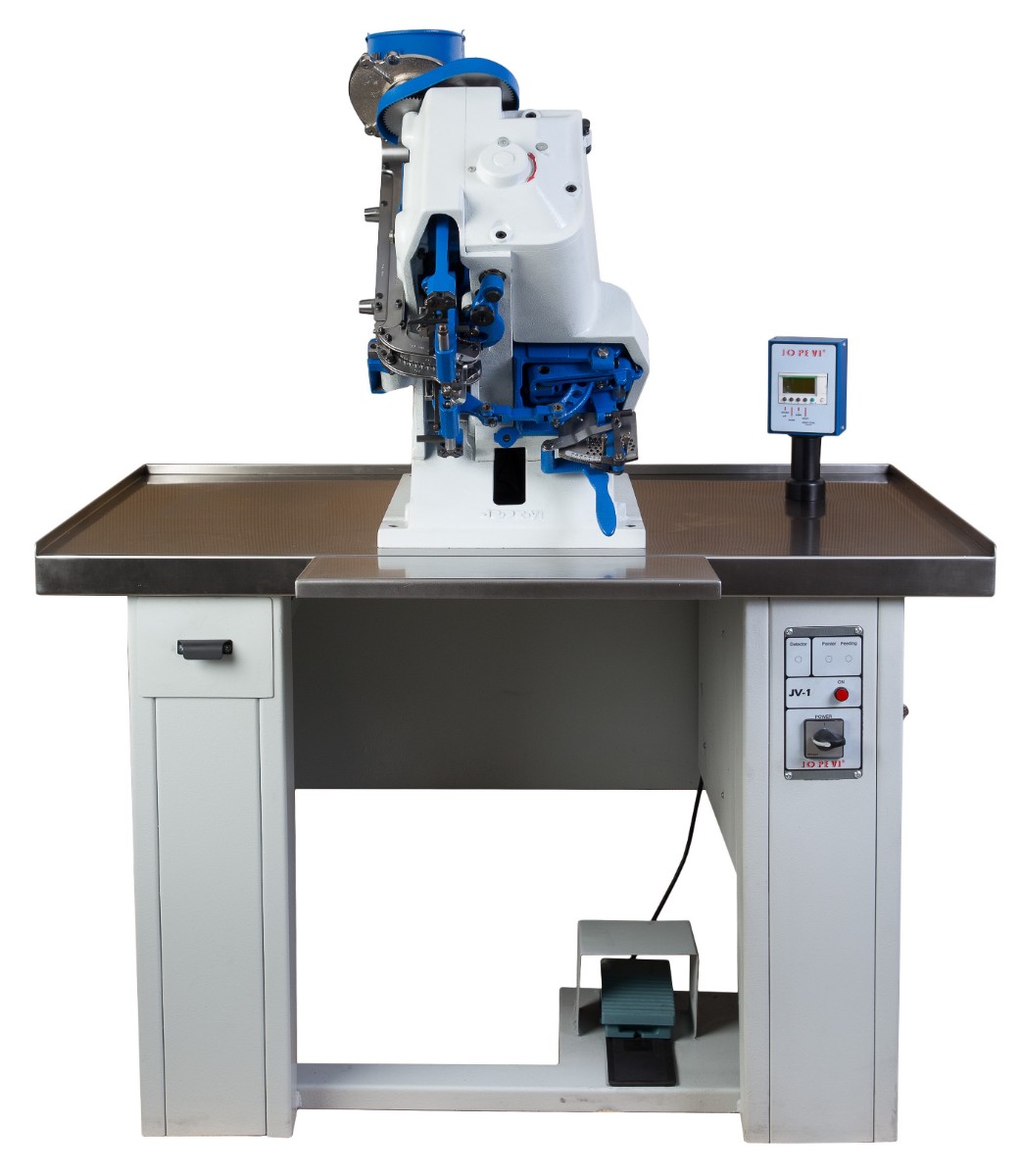
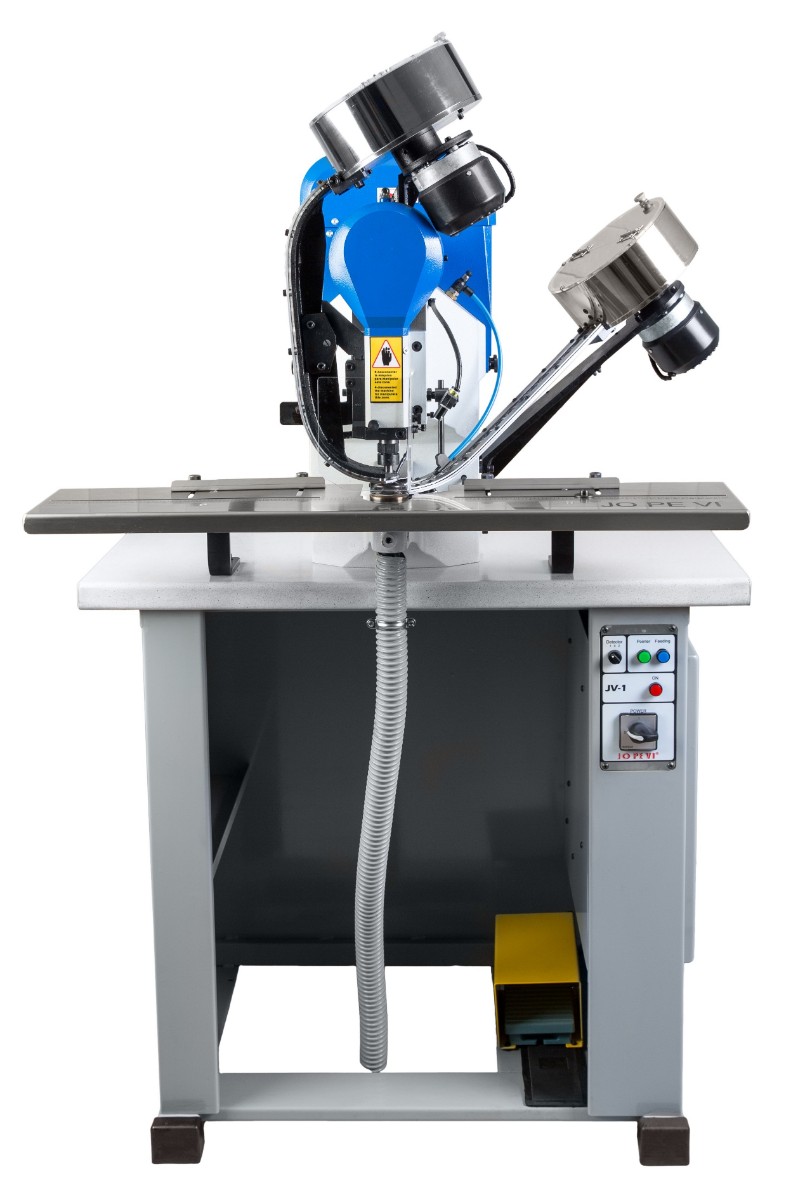
It is also worth reviewing whether your current equipment truly responds to the type of production you have today, not the one you had years ago. If you want to explore options, it may be useful to consult the JOPEVI grommet machinery catalogue to compare solutions designed for different work rates, materials and manufacturing needs.
When we review processes involving grommets, we almost always find recoverable time
When we analyse this type of process together with manufacturers, we see a constant pattern. Grommets are rarely an isolated problem; rather, they are a sensitive part of a chain where any previous or subsequent misalignment ends up affecting overall performance. That is why reacting only when the line stops is not enough, because what is truly useful is preventing the causes that make that stop likely.
We recommend starting with the most specific aspects, which are usually also the most profitable. It is worth reviewing how production changes are prepared, who validates the settings, where most repetitions occur and which incidents are repeated shift after shift. Very often, savings do not come from a major transformation, but from several small improvements applied well.
In that review, the choice of machinery carries significant weight. It is not just about whether a machine works, but whether it is reliable, consistent with the workload and suitable for the type of materials and formats handled by your factory. When that fit exists, improvisation is reduced, repetitive interventions decrease and the operator works with greater continuity.
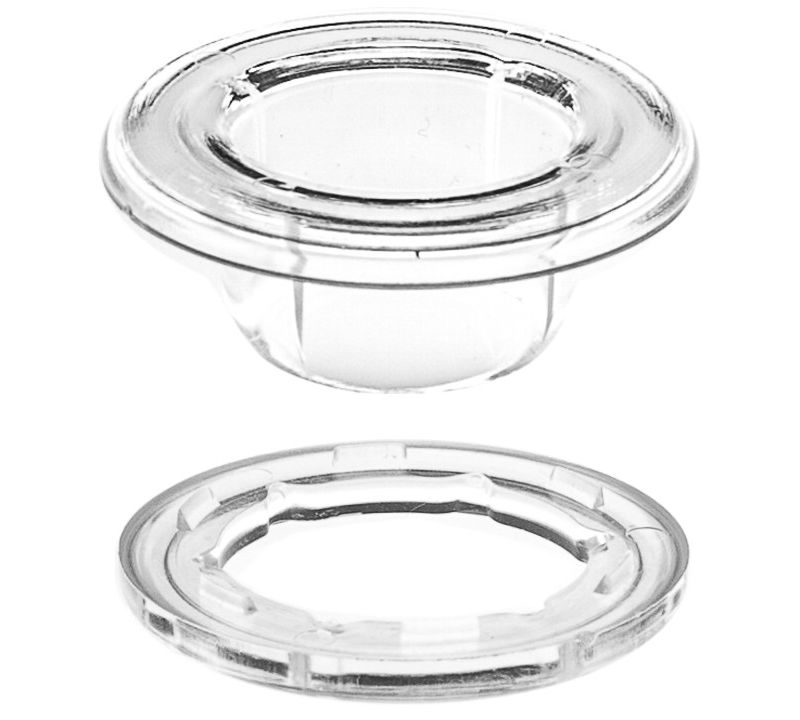
That is why JOPEVI machines for setting eyelets are an option worth considering, especially if you want to improve processes without losing sight of the daily reality of production. We are talking about a company with a long track record in the sector, founded in 1969 and linked for decades to industries such as footwear, leather goods, garment manufacturing and applications on a wide range of materials.
In our experience, the smartest decision is not always to produce faster, but to produce with fewer interruptions, fewer corrections and greater stability. This is where better organisation, consistent maintenance and the right solution for setting grommets can help you cut costs that often go unnoticed until they affect monthly results.
- Phone: +34 966 65 10 08
- Email: info@jopevi.es
- Address: C/ Nicolás De Bussi, 32 (Elche Parque Empresarial), Elche, Alicante, España