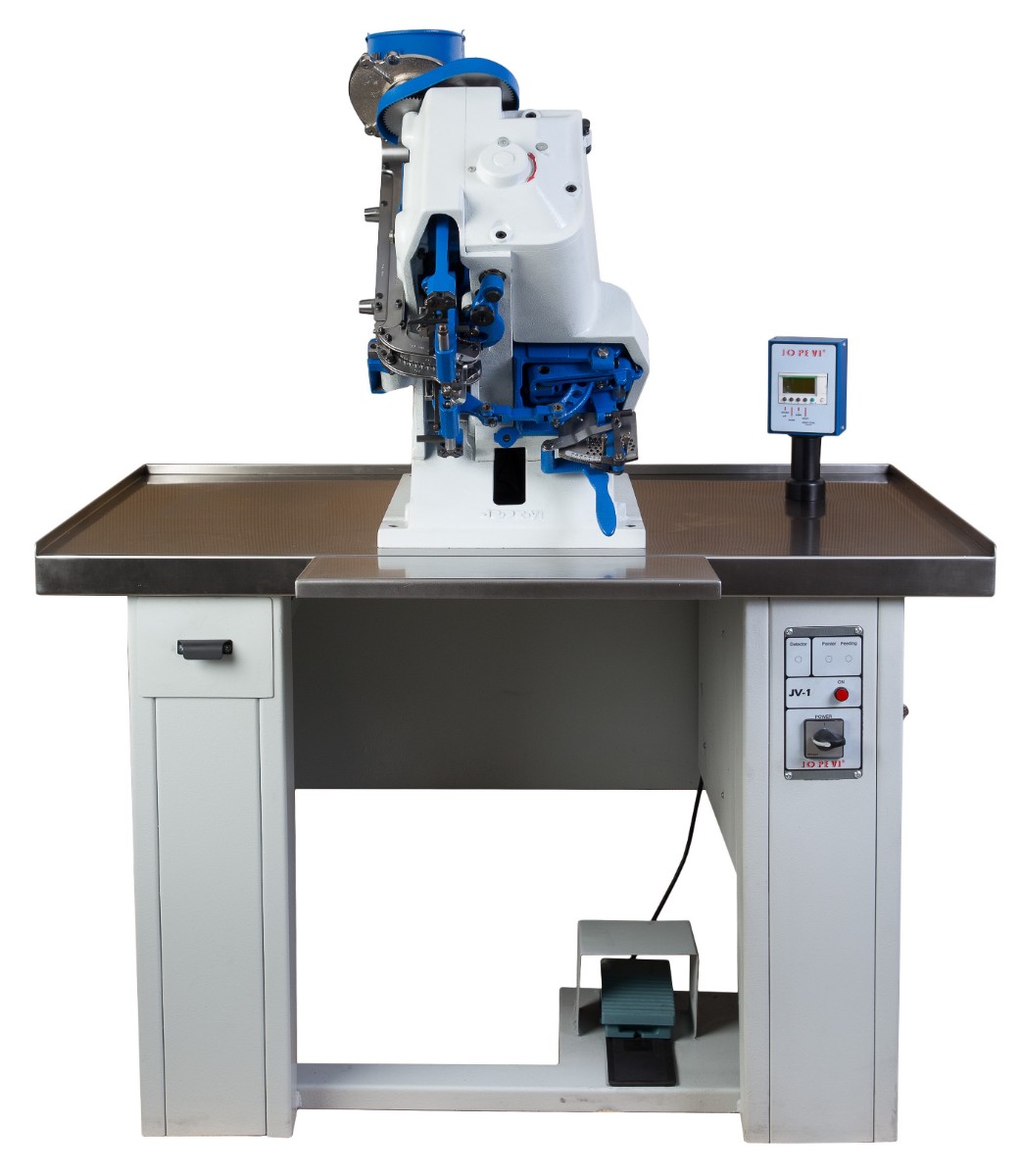
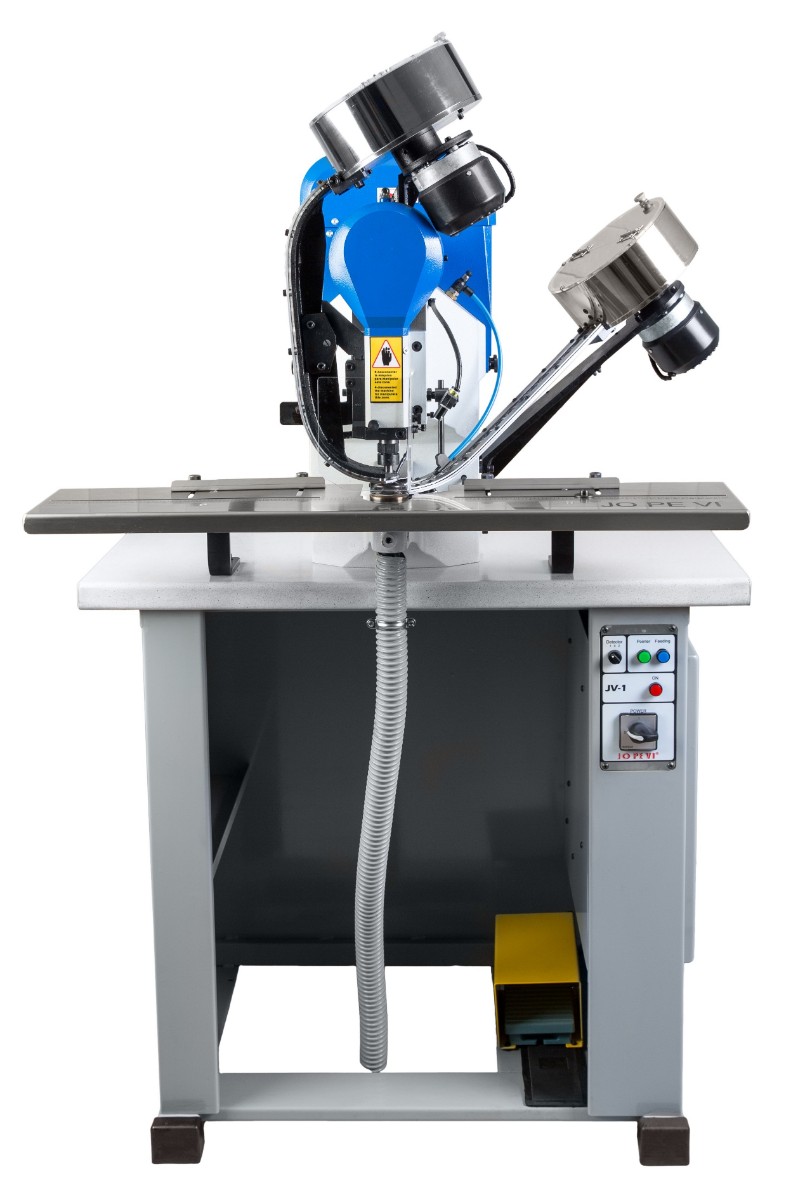
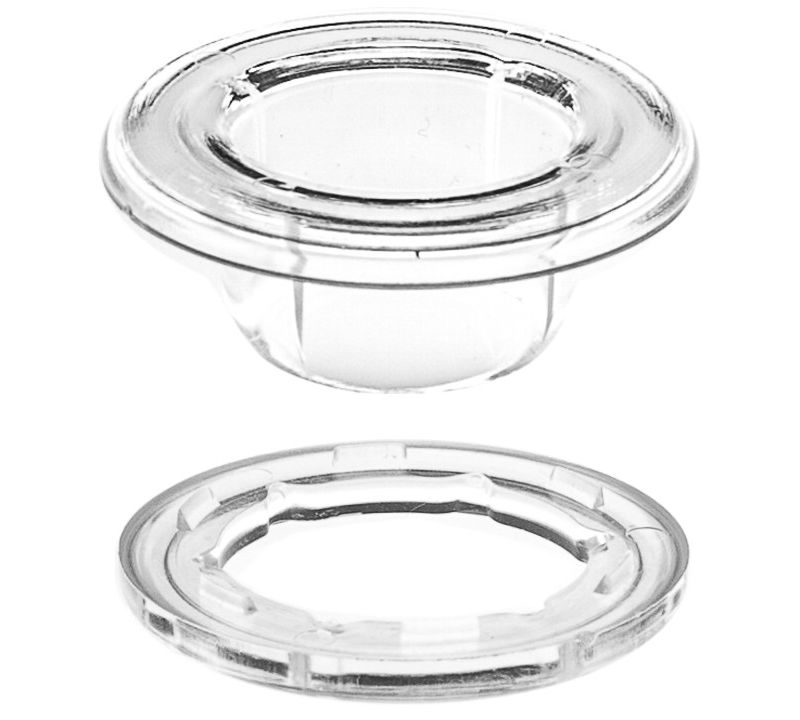
Preventive maintenance for an eyelet setting machine: A quick guide to hang beside the machine
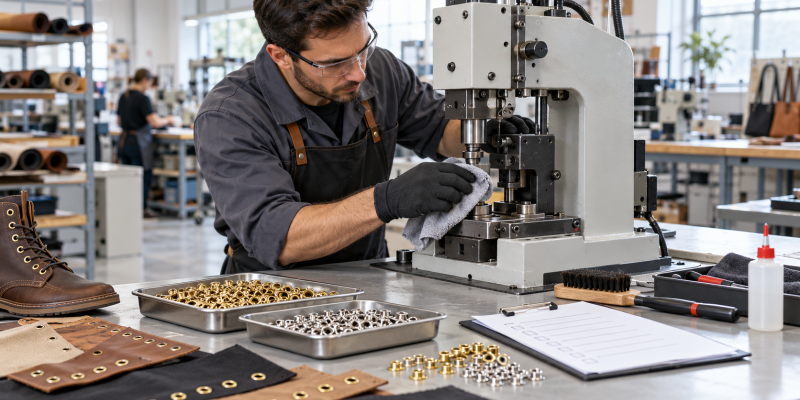
An eyelet setting machine does not usually give much warning before problems appear, which is why the most useful preventive maintenance is not always the most complex, but the most consistent. In many workshops and factories, a brief check at the start of the working day can prevent stoppages, poorly fitted parts and loss of pace, something especially important when working with continuous batches and tight schedules.
This quick guide is designed to be kept in mind during daily work, whether in footwear, leather goods, garment manufacturing, curtains or technical materials. The idea is simple. It is not about dismantling anything or working on internal mechanisms, but about observing, cleaning, checking and detecting early signs in order to maintain more stable, organized and reliable production.
When a daily maintenance routine is properly integrated into the workstation, it also improves the consistency of the finish. A badly fitted eyelet is not always caused by a major breakdown, as the cause may sometimes be accumulated dirt, disorganized consumables or small irregularities that went unnoticed at start-up.
It is also important to clearly separate two levels of action. The operator can take care of basic checks, visible cleaning and observing general machine behavior, while internal inspections, technical adjustments or any intervention on sensitive components should be left to specialized personnel and always carried out according to the manufacturer’s instructions.
What most protects an eyelet setting machine is usually the simplest routine
An eyelet setting machine works better when the start of the day is not improvised. Before beginning, it is advisable to check that the workstation is clear, that there are no material residues in the working area, that visible elements are clean and that the prepared consumables match the planned job. Starting in an orderly way reduces chain errors, especially when there are changes in reference, material or type of eyelet.
Daily cleaning should focus on accessible surfaces and visible points where dust, fibres, offcuts or residues from the process itself may accumulate. This dirt, even if it seems minor, can affect material support, hinder feeding or alter cycle regularity. The key here is to act carefully, without forcing parts or applying methods that are not recommended for that specific model.
It is also worth spending a few seconds visually checking the whole unit. If there are visibly misaligned elements, obvious wear on working tools, loose parts, external wiring in poor condition or feeding systems that do not move normally, it is necessary to stop and assess the situation before continuing. What is visible is often the first clue to a bigger problem.
During production, the operator’s hearing and perception remain a very valuable control tool. If noises appear that are different from usual, abnormal vibrations, repeated jams, irregular feeding or changes in the pressure and closing of the eyelet, they should not be underestimated. Many serious incidents begin with small signs that repeat over several cycles before becoming a real stoppage.
Another area that is often neglected is the consumables zone. Keeping eyelets, auxiliary parts and materials properly identified, clean and organized helps prevent mix-ups, reference errors and contamination of the workstation. In production environments where several people work on different orders, order around the machine matters just as much as cleanliness in the setting area itself.
At the end of the job, or when making a production change, it is advisable to leave the equipment in good condition for the next start-up. Removing visible residues, checking that no materials remain trapped in accessible areas and reviewing the general condition of the workstation makes the next start-up much easier. If any irregularity is also detected, it is better to leave it noted or reported than to trust that it will disappear by itself. To learn more about our team’s industrial experience, you can visit our experience as eyelet equipment manufacturers.
Why a good eyelet setting machine also depends on the judgement of the person who uses it every day
An eyelet setting machine delivers more stable performance when the operator knows how to distinguish between daily maintenance and the need for technical assistance. We have spent decades working with sectors such as footwear, leather goods and garment manufacturing, and we have seen that the best prevention starts by developing an attentive eye at the workstation, capable of recognizing when everything is running properly and when something is starting to deviate.
In daily work, that attention translates into very specific habits. Keeping the visible area clean, checking the general behaviour of the cycle, monitoring consumable feeding and detecting changes in the final finish are reasonable and useful tasks for any production manager or operator familiar with the equipment. However, if there are repeated blockages, persistent irregular setting, abnormal noises that increase, visible play or operating faults that reappear after basic cleaning, the sensible option is to stop and seek advice.
This is where technical personnel come in. Interventions on internal mechanisms, adjustments, component replacement, checks on pneumatic or electrical systems and any model-specific setting should not be improvised. Trying to correct a fault without a procedure can worsen the breakdown and extend downtime, as well as affecting safety and the quality of the result.
That is why we always recommend working with a simple, repeatable and easy-to-remember routine. If the equipment starts clean, if the workstation is organized, if normal behaviour is well understood and if irregularities are detected early, production gains continuity. And when expert support is needed, having a manufacturer experienced in eyelet setting machine technology makes a real difference in reliability and response.
- Phone: +34 966 65 10 08
- Email: info@jopevi.es
- Address: C/ Nicolás De Bussi, 32 (Elche Parque Empresarial), Elche, Alicante, España