Checklist to know whether your hole punching machine is underused or poorly configured
An eyeleting machine does not always perform below expectations because of the equipment itself. In many workshops, the real problem appears in details that become normal over time, such as constant adjustments, manual corrections, slow format changes or a disorganized work area that forces teams to lose pace without anyone truly measuring it.
That is why it is worth looking at the entire process before drawing quick conclusions. A line that seems slow does not always need to be replaced, because sometimes what it needs is better configuration, a clearer method or an organization that is more consistent with the real type of production. This review is especially useful for production managers, factory supervisors and machinery buyers in sectors such as footwear, leather goods, clothing, curtains or technical materials.
The key is to identify specific signs. If work moves forward with a feeling of blockage, if the operator has to intervene more than necessary or if every reference change disrupts the pace too much, there is probably room for improvement. A well-adjusted machine should make the daily routine easier, provide stability in the result and match the materials, formats and batch sizes you usually work with.
It is also worth checking whether the problem lies in how the equipment is being used. It is not unusual for the same installation to perform very differently depending on the working method, the prior preparation of the material or the operator’s experience. Before considering a larger investment, it is advisable to check how much performance is being lost due to configuration, organization or a lack of fit between the task and the available equipment.
Is your eyeleting machine slowing production without it being obvious?
The eyeleting machine may be showing fairly clear signs that something is not quite right, even if at first glance it continues to operate. The first sign is usually a lower-than-expected production pace, not only because the process moves slowly, but because it forces work to be carried out with a constant feeling of interruption, supervision or dependence on small adjustments.
The first question in this checklist is simple, yet very revealing. Does the real working pace remain smooth, or does it depend too much on who is operating the equipment, the material being processed or the model to be manufactured that day? When performance changes too much from one reference to another, there is usually an underlying problem that goes beyond workload.
Another important sign appears when stops and adjustments are too frequent. If position has to be corrected from time to time, consumables checked, parts repositioned or small interventions made so the process can continue, the loss of efficiency is not only in the visible stoppage, but also in the constant tension it creates. Well-configured equipment should provide continuity, not force the team to stay alert for the next issue.
It is also worth paying attention to what happens during model changes. If moving from one reference to another involves too many steps, doubts, tests or idle time, the problem may be in workstation preparation, changeover standardization or a configuration that is not practical for varied production. This is especially relevant in workshops that frequently alternate materials, formats or short runs.
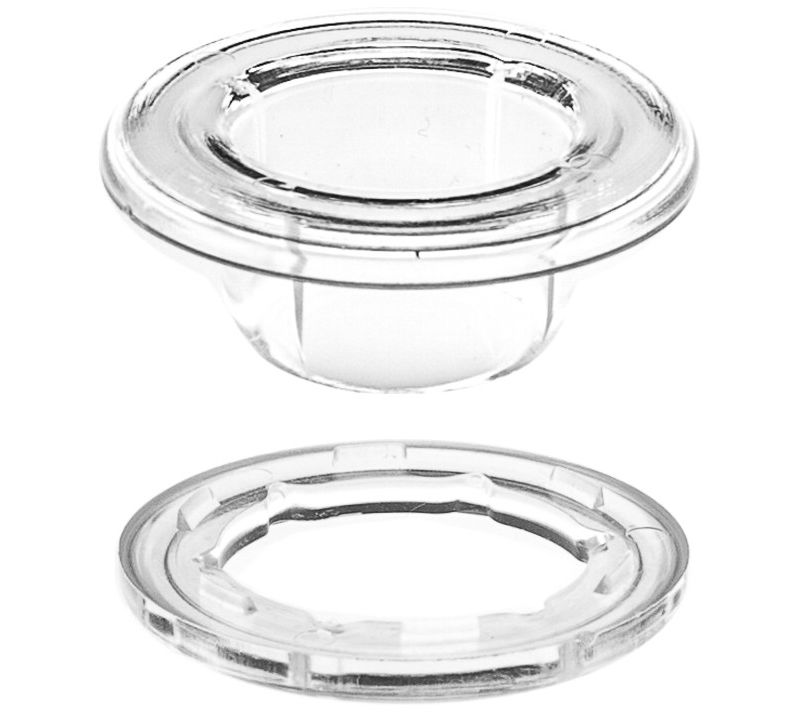
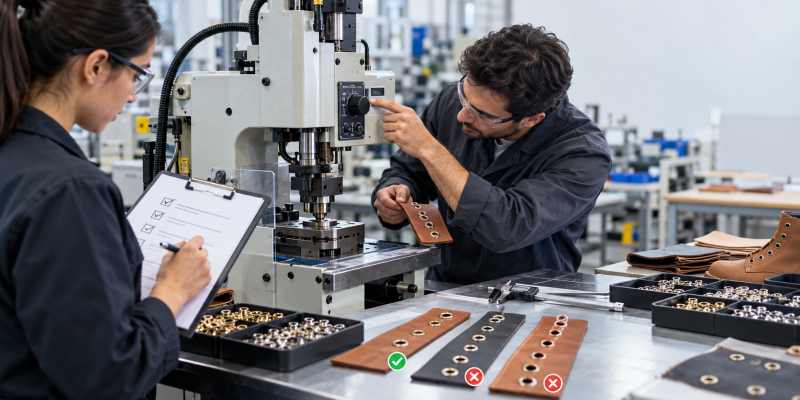
Consistency in eyelet placement is another critical point. When the final result is not uniform and differences appear between parts, it is not always necessary to assume that the equipment is limited. Sometimes the cause lies in the adjustment, material feeding, the type of consumable used or a working method that introduces unnecessary variations. Irregular quality is almost never an isolated problem, because it is usually accompanied by rework and a loss of confidence in the process.
The number of manual corrections required from the operator also deserves attention. If the person working with the equipment has to constantly compensate for small deviations, reposition, repeat operations or improvise solutions to keep production moving, there is a clear sign of underuse or poor adaptation. A good working system should not depend on the operator’s extra effort to remain stable.
At this point, reviewing the type of production is essential. Working always with the same material and format is not the same as handling changing orders, different batch sizes or special finishing requirements. If the current configuration does not adapt well to that variety, the problem may not be the machinery itself, but the way it has been adjusted for use that is too generic or not aligned with the reality of the workshop.
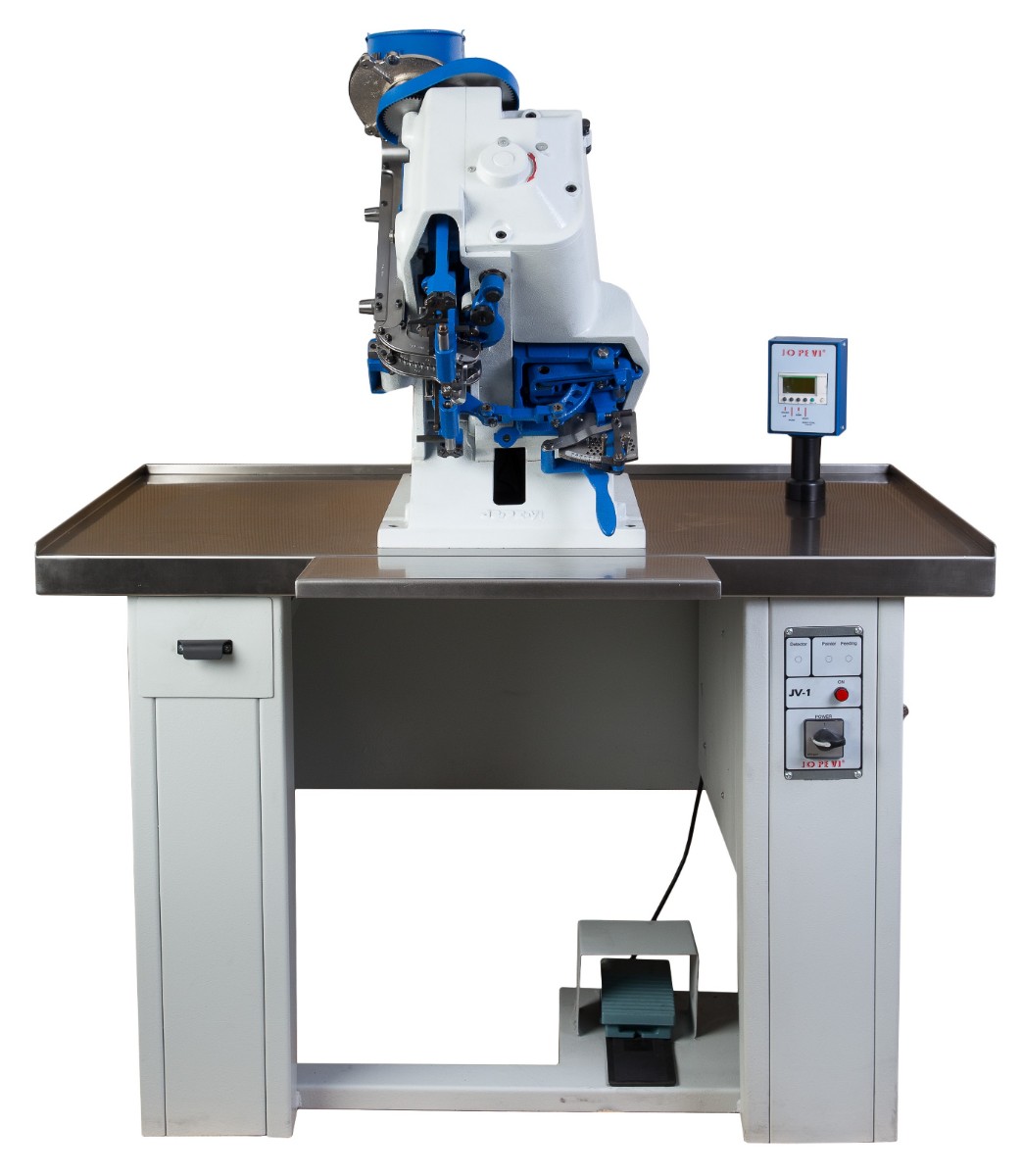
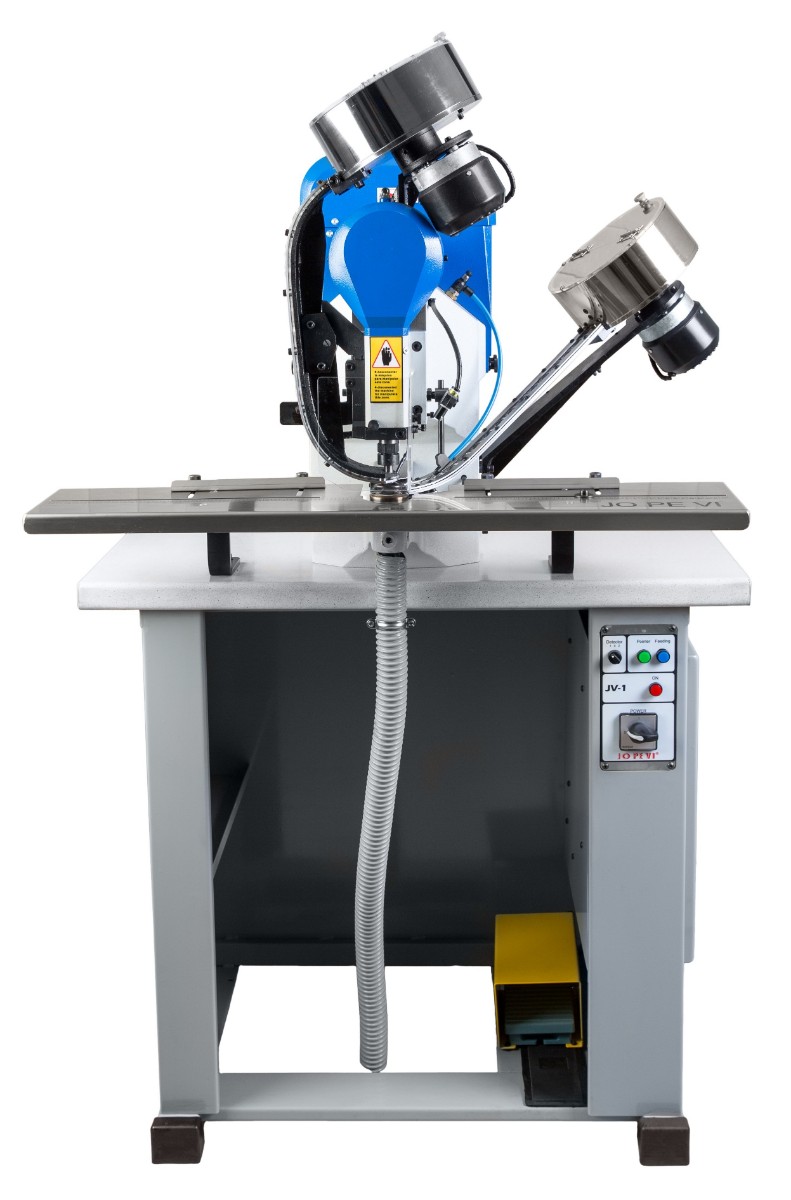
Finally, ask yourself whether you are truly making the most of the equipment’s capabilities. In many cases, there are functions, adjustment options or ways of preparing the work that are not being used due to lack of habit, training or technical support. If you want to better explore which solutions exist for each process, it may be useful to consult the catalogue of machinery and eyelet fitting systems to compare approaches and identify what best fits your production.
What decades alongside manufacturers have taught us about the eyeleting machine
At JOPEVI, we have spent decades seeing how production changes in sectors such as footwear, leather goods, clothing and curtains, and we know that a hole punching machine that is well integrated into the workshop does more than place eyelets. It also organizes work, reduces uncertainty and helps the operator focus on producing consistently, instead of correcting problems again and again.
That is why, when we analyze a case, we do not start by recommending an automatic replacement. We begin by observing the real context, because performance depends as much on the equipment as on how well it fits the process. We review how the workstation is organized, how materials and consumables are prepared, what variety of work is carried out and what level of manual intervention is still needed to maintain quality.
Our experience as manufacturers, with origins dating back to 1969 and a history closely linked to the industrial fabric of Elche, has taught us something important. Many issues that seem “normal” stop being so when the configuration is properly reviewed, the working method is improved or the solution is adapted to the type of production. It is not only about manufacturing machinery, but about understanding what each company needs to work with greater stability and less friction day to day.
We also often see the opposite situation, where the equipment has more capacity than is actually being used. In that case, the challenge is not to buy more, but to use what is already available more effectively, train the operator, organize the workflow and decide whether the configuration matches the real materials, formats and volumes. When that decision is made with clear criteria, the machinery stops being a point of tension and becomes a reliable tool within the process.
Choosing the right machinery and configuring it correctly according to each company’s type of production is a decision that affects performance, quality and the day-to-day comfort of the human team. If you want to review your case from a technical and practical perspective, at JOPEVI we can help you assess whether the next step is to adjust processes, improve the configuration or study a more suitable hole punching machine solution.
- Phone: +34 966 65 10 08
- Email: info@jopevi.es
- Address: C/ Nicolás De Bussi, 32 (Elche Parque Empresarial), Elche, Alicante, España