Frequently asked questions from our customers before buying an eyelet machine

If you are considering buying an eyelet machine, the decision should not start with the model, but with the right questions. With this kind of investment, being clear about the real work you are going to do completely changes the recommendation, because a clothing manufacturer does not need the same solution as a leather goods workshop or a digital printing business.
Many doubts come up just before taking the step, and that is a good sign, because choosing well means understanding the whole process, not just the operation of setting eyelets or grommets. Materials, production rate, type of piece, level of automation and ease of maintenance are all factors that should be clearly defined before comparing options.
There is also an underlying point that is sometimes overlooked: the right purchase should not only solve today’s need. A good choice must fit your current process and, at the same time, leave room to grow if orders increase tomorrow, materials change or you add new lines of work.
That is why, when an experienced manufacturer analyses an application, it does not simply eyelet machinery. The sensible starting point is to understand what you produce, how you work and what you expect to achieve, especially in sectors as different as footwear, leather goods, clothing, curtains or digital printing.
What you should know before choosing an eyelet machine for your production
Before choosing an eyelet machine, the first useful question is very simple, although it is usually the most important one, and it has to do with the type of work you are going to carry out. Setting eyelets on repetitive, standardised pieces is not the same as working with variable formats, delicate materials or products with finishes where visual precision matters as much as productivity.
Another key question is which materials you are going to use. This matters because textile, cardboard, canvas, plastic and PVC do not behave in the same way, and that difference affects how the component is set, the expected finish and the solution that best suits you. To receive a useful recommendation, it is important to indicate the material you work with, its approximate thickness, whether there are several layers and whether the final use requires special strength.
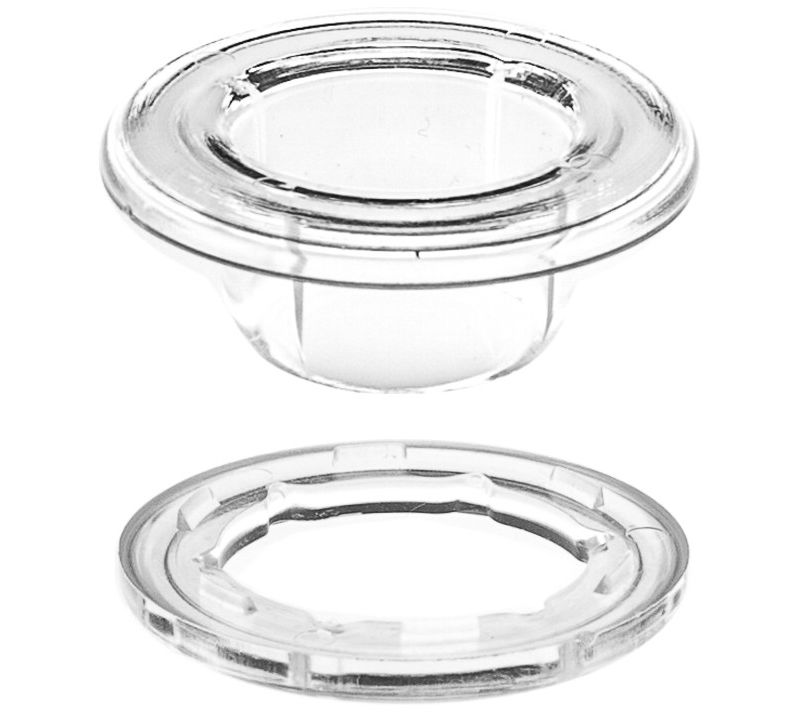
You should also define what type of grommet or eyelet you need to set. It may seem obvious, but many technical decisions depend on that information. The diameter, the component material and the final appearance you are looking for can determine the most suitable solution. If you also handle several formats, it is important to say so from the outset, because always working with a single reference is not the same as alternating sizes depending on the order.
The next question has to do with the production rate. Here, it is not enough to say that you want to work faster; it is better to explain how many pieces you produce per day, whether the workload is concentrated in campaigns, whether there are seasonal peaks or whether eyelet machine will be integrated into a continuous workflow. This information helps assess whether you need a manual, pneumatic or more automated solution, always based on your actual workload.
Another point that deserves attention is who will use the equipment and how it fits into your daily operations. Production matters, but so do ease of use, process repeatability and the space available in the factory or workshop. In many cases, the best option is not the most complex one, but the one that best adapts to the team and working method you already have in place.
It is also worth asking whether the eyelet machinery needs to work alongside other stages of the current process. For example, it may matter whether the pieces arrive already cut, printed or prepared on specific worktables, or whether they later move on to sewing, packaging or dispatch. The better you explain that workflow, the more accurate the recommendation will be, because the purchase should not create bottlenecks where none existed before.
Finally, it is worth thinking about the medium term. Will you keep the same type of product, or do you expect to expand your catalogue, change materials or take on more volume? This question is decisive because an industrial investment is best assessed when it meets present needs without closing doors for the future. If you want to go deeper into your specific case, you can consult the JOPEVI team about your eyeleting equipment and explain your application in detail.
How JOPEVI helps you find the eyelet machine that truly fits your needs
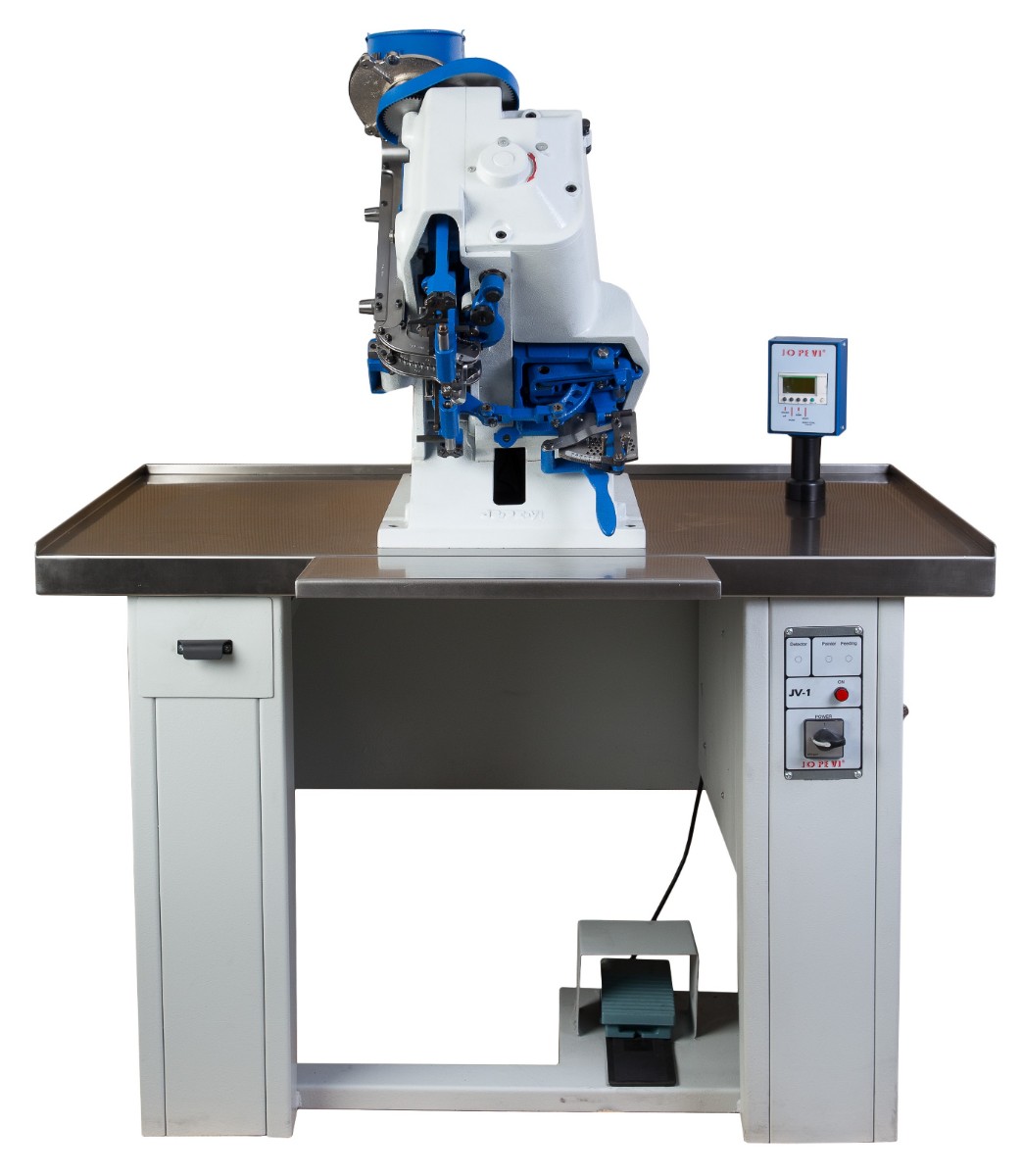
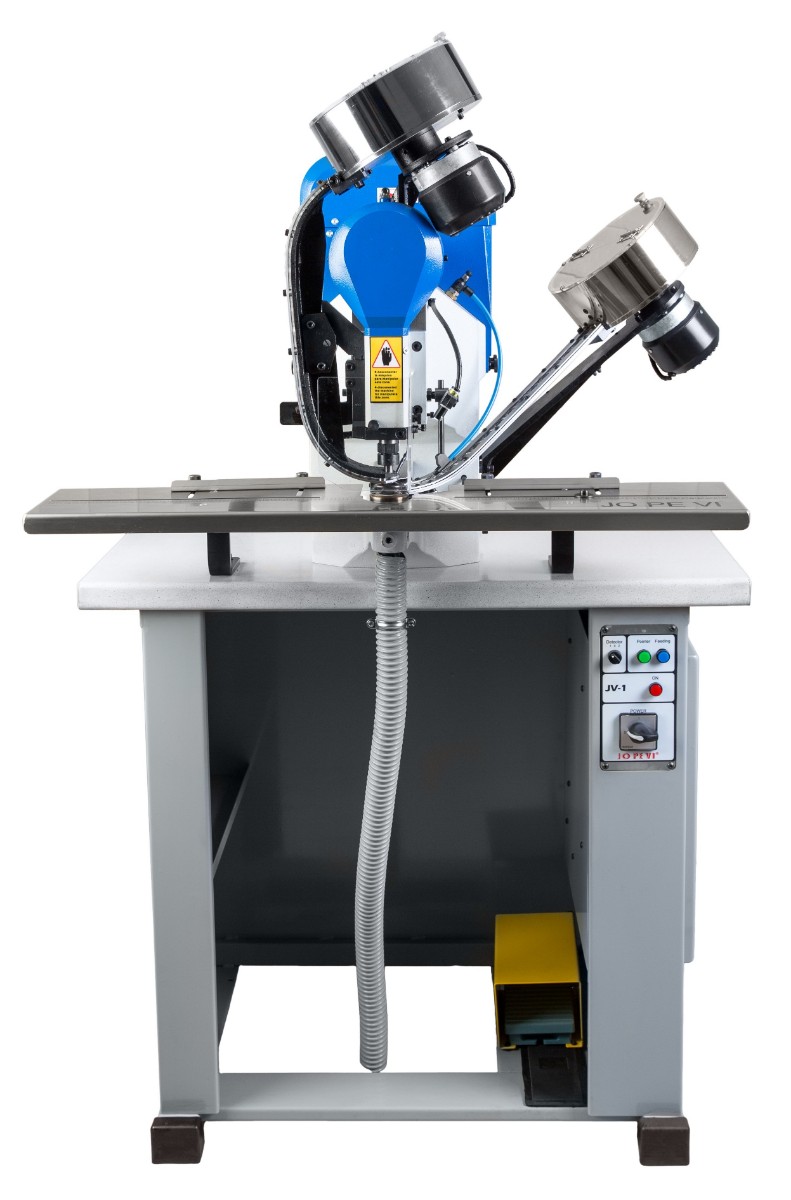
At JOPEVI, when we talk about an eyelet machine, we are not thinking only about a mechanical operation, but about everything surrounding that decision. Our experience as manufacturers, based in Elche and with international distribution, allows us to work with companies with very different profiles. Some businesses come from footwear, others from leather goods, clothing, curtains or digital printing, and each one arrives with specific needs. That is why we focus on very practical questions, such as what material is being used, what finish is expected, what volume exists today and what forecast there is for the coming months.
We also know that maintenance, technical support and spare parts availability carry significant weight in the decision. It is not just about buying, but about being able to work continuously, something especially important eyelet machinery is part of a production chain where any stoppage affects delivery times, costs and internal organisation.
Another important point is personalised advice. We design and manufacture our eyelet machinery, and that allows us to analyse each case closely and with real knowledge of the process. Sometimes the most useful conversation is not about a technical data sheet, but about apparently small details, such as the variety of references, how often jobs are changed or the growth margin a company wants to preserve.
If you are at that analysis stage, the most sensible approach is to prepare the information properly before asking for a recommendation. Material samples, a description of the final product, type of eyelet or grommet, workload, process organisation and growth forecast all help identify the eyelet machine that can best respond to your real needs.
- Phone: +34 966 65 10 08
- Email: info@jopevi.es
- Address: C/ Nicolás De Bussi, 32 (Elche Parque Empresarial), Elche, Alicante, España