Metal waste management from grommets: best practices
Grommets are part of many production processes in textiles, tarpaulins, printing, leather goods and clothing manufacturing, but daily work with them also leaves behind small metal scraps that, if not managed properly, end up taking up space, making cleaning harder and complicating workstation organization. In an environment where the machine is used frequently, disorder usually does not come from one major problem, but from small repeated build-ups that no one has integrated into the routine.
That is why it is worth understanding the management of these leftovers as another part of the process, not as a secondary task for when there is spare time. Properly separating, collecting and storing the scraps that appear during the placement of metal components helps keep the work area clearer, makes maintenance tasks easier and prevents different materials from becoming mixed without control.
In addition, when production is constant, any action that saves time in cleaning or locating waste makes a difference. It is not about turning the workshop into a theoretical recycling manual, but about applying simple habits that improve everyday work. A short, well-planned routine is usually more useful than a complicated rule that nobody follows.
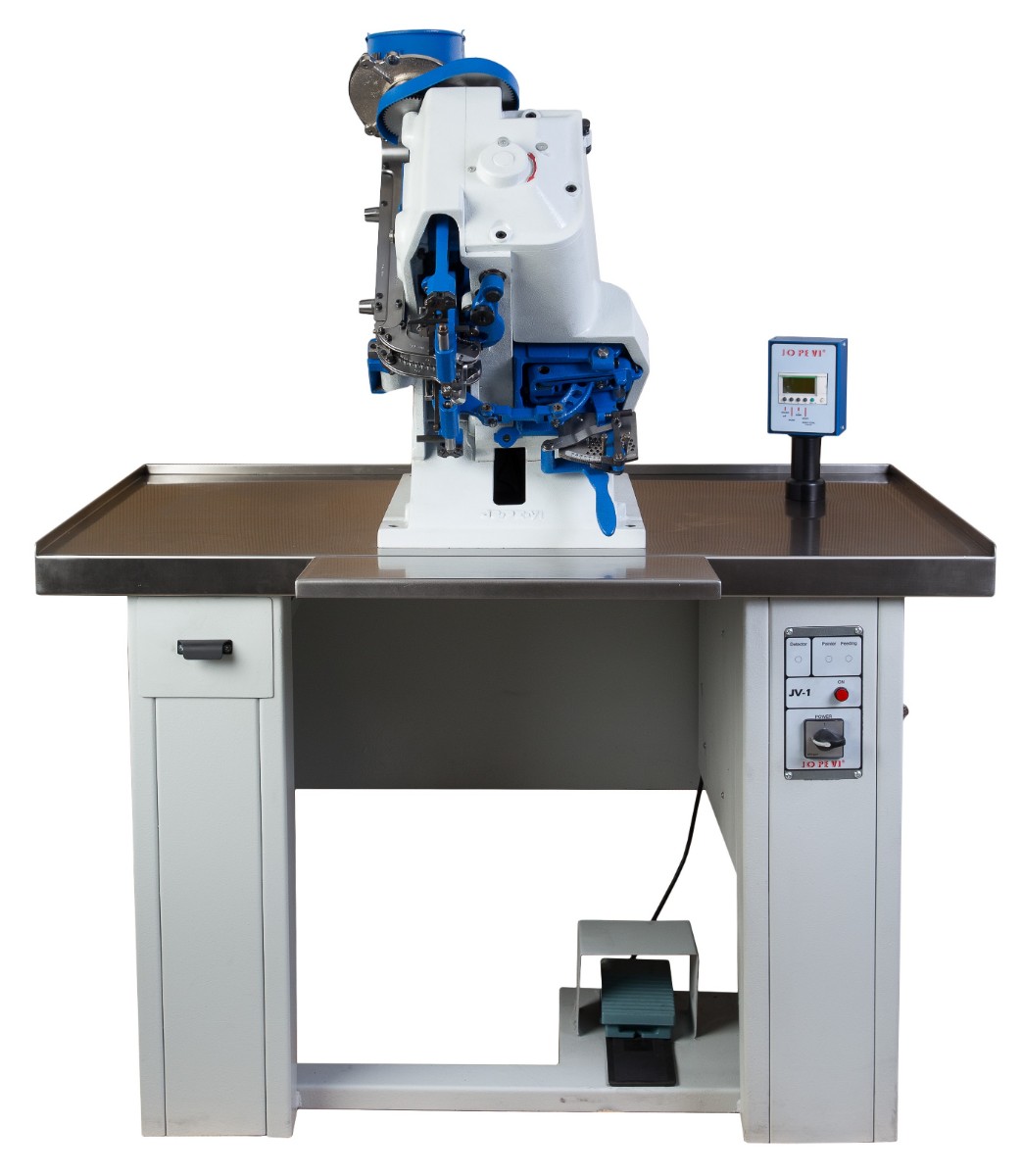
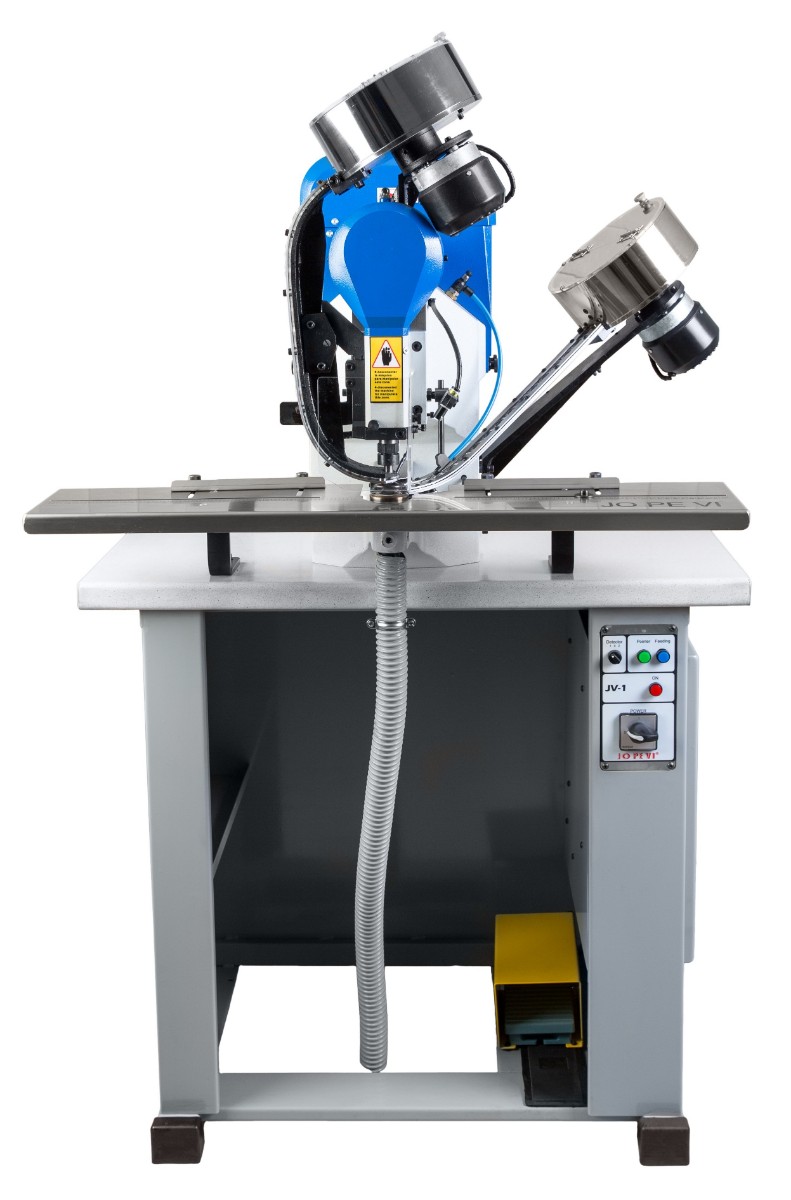
It is also worth remembering an important idea to put the context in the right place. JOPEVI is a manufacturer of machines for placing grommets and eyelets, with decades of experience developing solutions for different sectors and materials. Its equipment can work with metal components, although JOPEVI does not manufacture metal grommets, and precisely because of this close connection with the real use of machinery, the company knows very well what needs arise around the workstation.
Why do grommets require more orderly management of metal scraps?
Grommets generate small, irregular waste that is easy to scatter, so it is advisable to treat it from the outset as a separate material. When these scraps become mixed with paper, plastics, textile offcuts or general dirt, the result is usually a less clean area, harder to inspect and with a greater feeling of accumulation, even if the actual volume is not large.
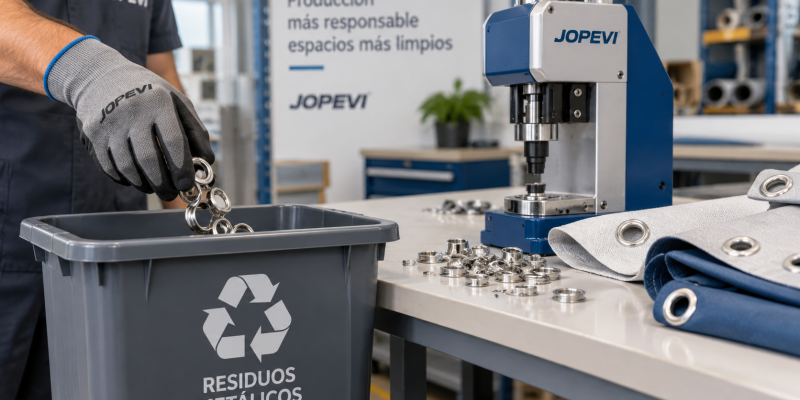
A recommended practice is to place a specific container next to the production area, always in an accessible spot that does not interfere with the operator's normal movement. This prevents leftovers from being left on the table, in improvised trays or directly on the floor. The shorter the distance between the machine and the collection point, the easier it is to maintain the habit, especially in repetitive work rhythms.
Waste separation also helps manage leftover materials better. If each type of scrap goes to its own place, it is then easier to empty containers, inspect the workstation and deliver that material to the appropriate management or recycling channels in each case. There is no need to make the system complicated, because very often it is enough to clearly distinguish between metal scraps and other usual process waste.
Another practical aspect is temporary storage. If the workshop accumulates this type of waste over several days, it is advisable to use strong containers or bins, clearly identified and located in an area where they do not obstruct passage or loading, cleaning or maintenance tasks. Storing waste properly not only creates order, it also prevents it from being scattered again.
Regular cleaning of the workstation should be included at the end of the shift or during defined breaks throughout the working day, especially in environments with frequent production. There is no need to wait until the area looks saturated before taking action. A quick check of the work surface, supports, trays and the immediate surroundings of the eyeleting machine makes it possible to remove scraps before they mix with other materials or affect ease of use.
In reality, managing these small leftovers properly has a very specific effect on daily operations. The area stays clearer, cleaning requires less effort and that sense of losing control is reduced when each working day leaves a little loose material in different places. It is a simple detail, but visible order also improves the way people work.
What we have learned at JOPEVI about grommets, real machine use and daily maintenance
At JOPEVI, we have been manufacturing machines for placing eyelets and grommetss for decades, so we know the difference between an installation that simply produces and one that also works with method. When a company integrates waste management into the routine use of its equipment, everything flows better, because basic maintenance, workstation cleaning and material control are no longer seen as separate tasks.
Our experience tells us that the key is not to leave this issue until the end of the week or turn it into a vague responsibility. If the person working with the machine knows where to leave the scraps, when to empty the container and how to check the area when finishing, the system becomes natural. Good organization does not usually depend on complex processes, but on consistent habits.
This is especially important in workshops where production is repetitive and the use of the eyeleting machine forms part of the normal work rhythm. In these contexts, adding a small collection and cleaning routine to the usual maintenance of the equipment helps keep the space in better condition and makes it easier to detect any unnecessary build-up sooner. If you would like to learn more about our background as manufacturers and the way we work, you can visit JOPEVI's history and experience.
If you are considering a new machine or want to improve your current way of working, it is worth looking not only at the productivity of the equipment, but also at how it fits into a clean, orderly and easy-to-maintain routine. Ultimately, good operations around grommetss are also part of a more comfortable and better organized production process.
- Phone: +34 966 65 10 08
- Email: info@jopevi.es
- Address: C/ Nicolás De Bussi, 32 (Elche Parque Empresarial), Elche, Alicante, España