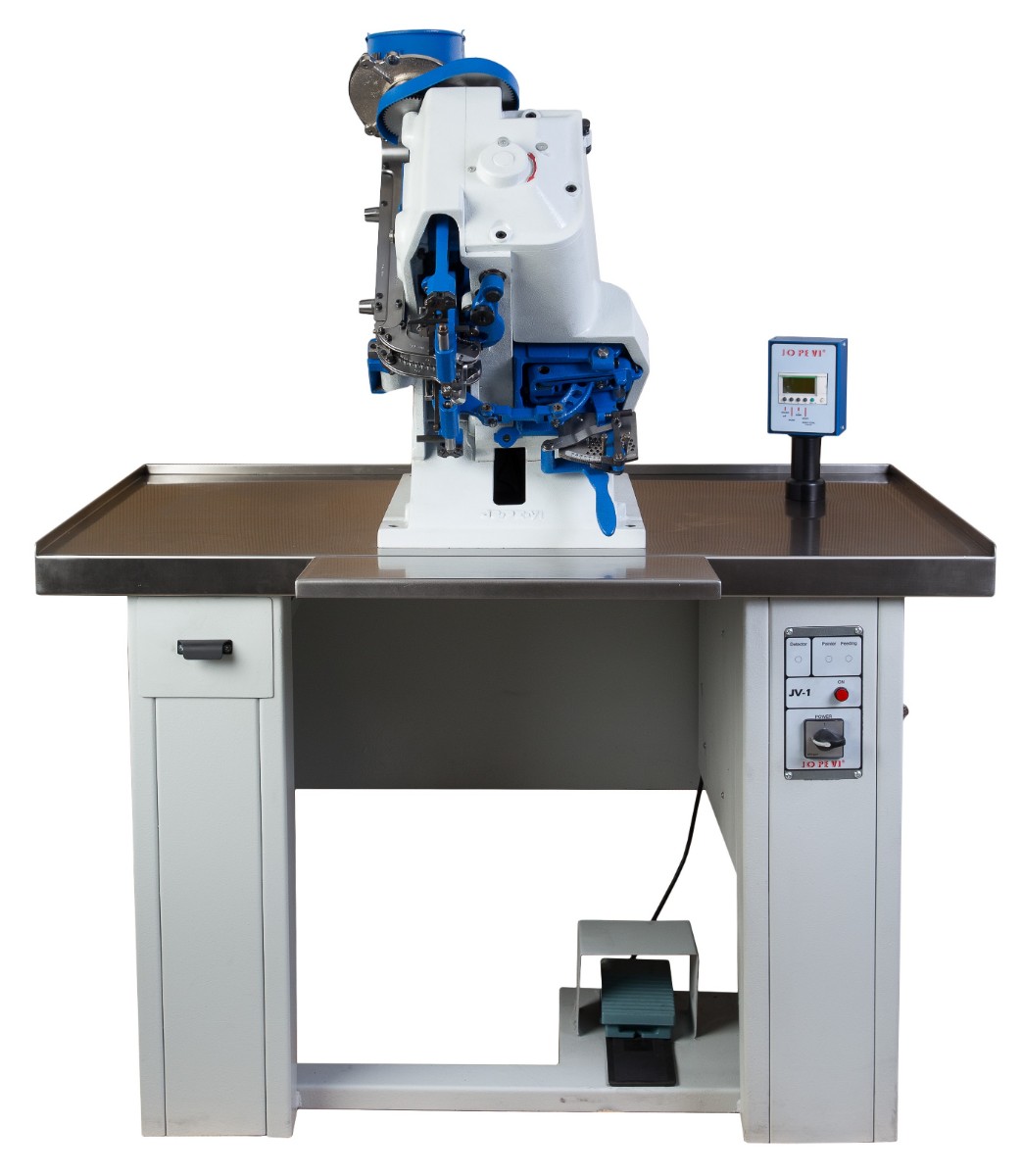
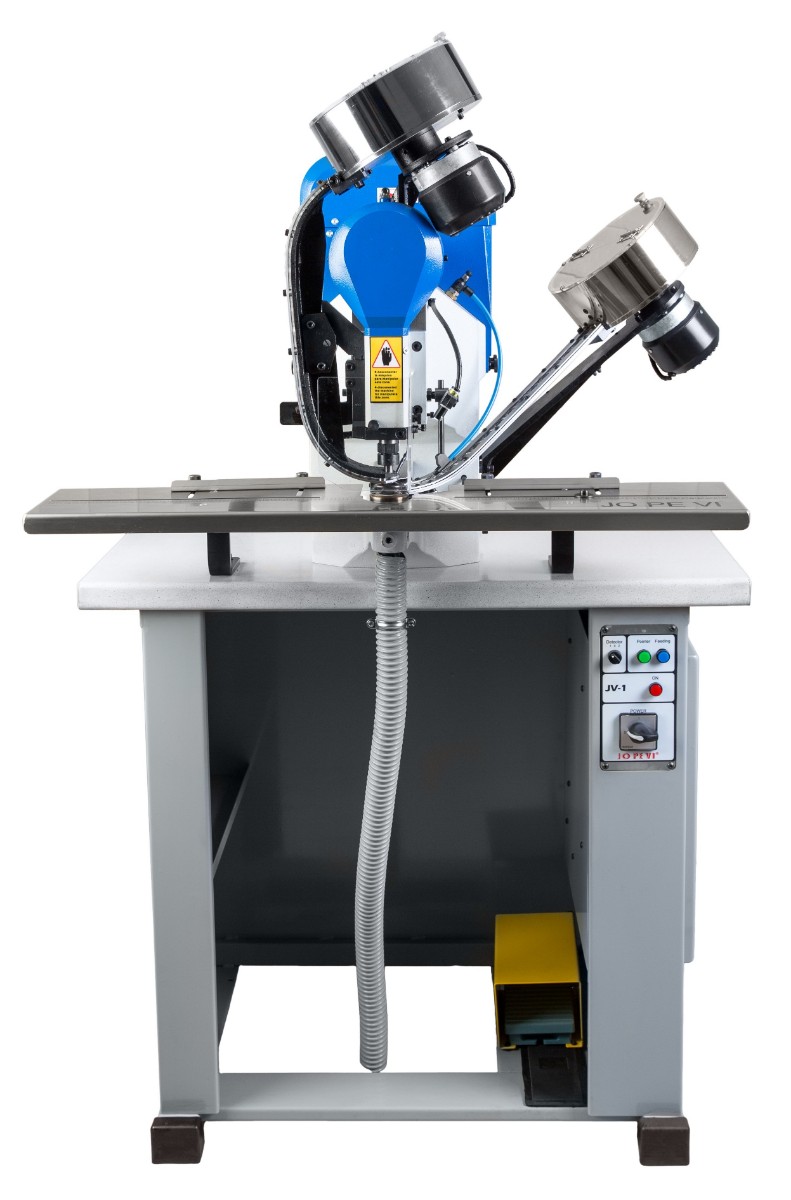
What we learned installing an eyelet-setting machine in an artisan leather goods workshop
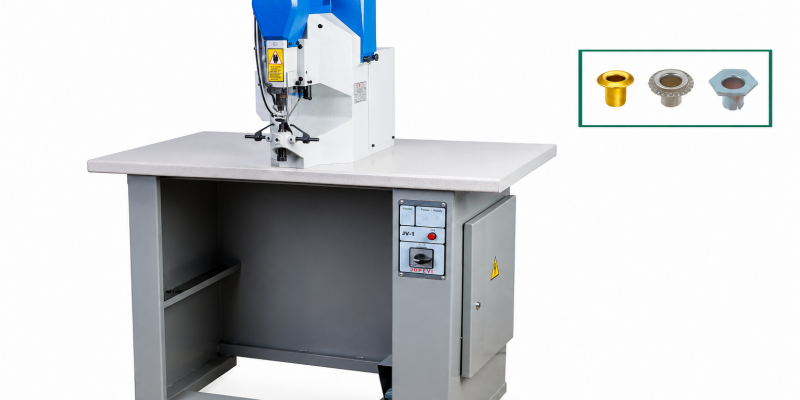
In an artisan workshop, bringing in an eyelet-setting machine does not start when the equipment arrives, but much earlier, when materials, finishes, and the real working pace are assessed. That is exactly what we confirmed in a recent installation. In leather goods, a small technical change can make a big visual difference.
The first thing to look at is the type and thickness of the material. A firm leather does not respond the same as a more flexible piece, and an inner reinforcement does not behave like a single layer. Can the same setup be used for everything? Sometimes yes, but the sensible approach is to review each combination before deciding.
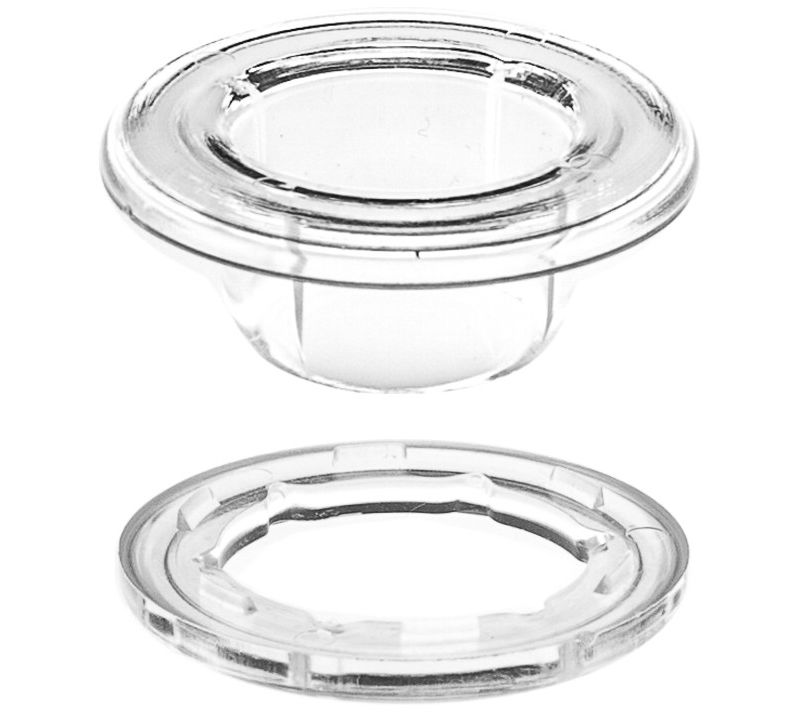
We also saw that choosing the right grommet, washer, and die prevents many issues later on. When those three elements are not properly aligned, deformations, uneven closures, or tears can appear in the working area. And in products like handbags, straps, or backpacks, that detail is noticed immediately.
In this kind of process, there are several points that deserve attention from the start.
- Pre-testing on real parts before moving into production.
- Pressure adjustment to avoid marks, tearing, or uneven finishes.
- Defining a safe routine for the operator and for handling the parts.
- Improving consistency without losing the product’s artisan character.
When the installation is done with sound criteria, the workshop gains precision, repeatability, and time to focus on what truly adds value to the piece: design, material selection, and final details.
What an eyelet-setting machine really teaches you when it enters leather goods
When working with an eyelet-setting machine, one of the first lessons is that production should not start without testing. We adjusted the set according to the material and checked the real result on a sample. It is the safest way to see how each piece responds before committing to a full run.
Another key learning point is pressure. If it is too high, it can deform the edge or damage the surface. If it is too low, the closure loses firmness and the finish stops being consistent. That balance is not improvised. It is calibrated.
We also place great importance on operator training. It is not enough to activate the system; you need to understand part positioning, the working sequence, and the visual inspection of the result. That is where machinery adds value without taking over the craft.
- Manual, pneumatic, and automatic actuations depending on the workshop’s pace.
- Use in footwear and leather goods with different working formats.
- Setups aimed at achieving greater consistency in short or repetitive runs.
- Compatibility with technical decisions on tooling, components, and spare parts.
When everything is properly adjusted, the work flows better and the finish conveys that sense of order that anyone who cares about every piece truly appreciates.
From our experience, choosing an eyelet-setting machine is much more about technical criteria
Since 1969, we have been manufacturing industrial machinery for setting grommets, eyelets, and rivets, and that experience has taught us something very simple: every workshop has its own way of producing. That is why we approach each installation with real attention to the material, the workload, and the finish you want for your pieces.
Today we still manufacture in Elche Parque Empresarial and maintain a very close relationship with sectors such as footwear and leather goods. If you would like to understand our background better, you can visit our track record as a machinery manufacturer since 1969.
In addition to the initial setup, we support you with technical advice, guidance on testing, maintenance, and spare parts availability. What maintenance does this kind of installation require? It depends on usage and material, but reviewing settings and tooling in time prevents failures that later increase production costs.
If you are considering an eyelet-setting machine, we can review with you which solution best fits your materials, your working pace, and the type of grommet you use.
- Office: C/ Nicolas De Bussi, 32 (Elche Parque Empresarial), Elche, Alicante
- Phones: +34 966 65 10 08
- Email: info@jopevi.es