How to calculate the number and diameter of grommets based on lace type and material
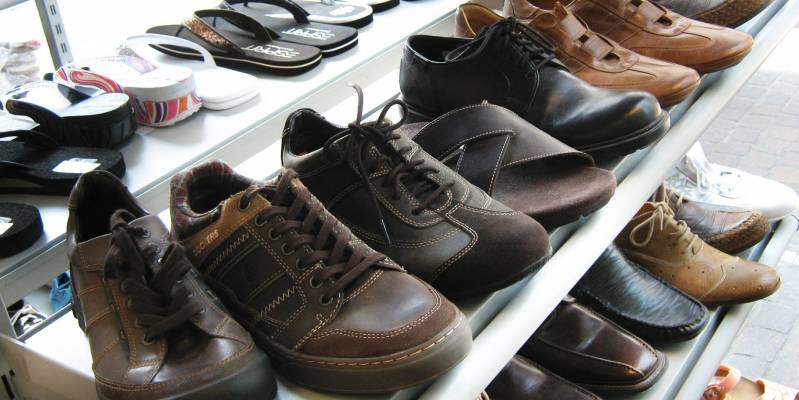
When you work with lace-up footwear, choosing the right grommets changes more than it seems. It doesn’t just affect lace pass-through; it also impacts closure, finish, and the cut’s resistance in real use. That’s why it’s best to treat this decision as part of production, not as a final detail.
The first key idea is simple. There is no universal size that works for every model, because a work boot doesn’t demand the same as a lightweight trainer or a casual shoe with a flexible upper.
Several factors come into play at the same time. The true lace thickness, its flexibility, the material’s stiffness, the upper thickness and wear tension all influence both the inner diameter and the number of pass-through points you should place.
In the workshop, you notice this immediately.
- Round or flat laces change behaviour during threading and tightening.
- Leather, synthetic or laminated textile react differently to punching and setting.
- The closure area should be planned with spacing and symmetry to avoid distortions.
- Pre-tests with the real material, die and component prevent series mistakes.
If the diameter is too small, the lace rubs, drags and stresses the edge. If it’s too loose, the fit loses visual and functional control. And when the number of points doesn’t match the model design, the closure stops distributing tension properly.
That’s where a well-thought-out technical decision makes a difference across the entire line.
Choosing grommets well also means choosing a more stable production
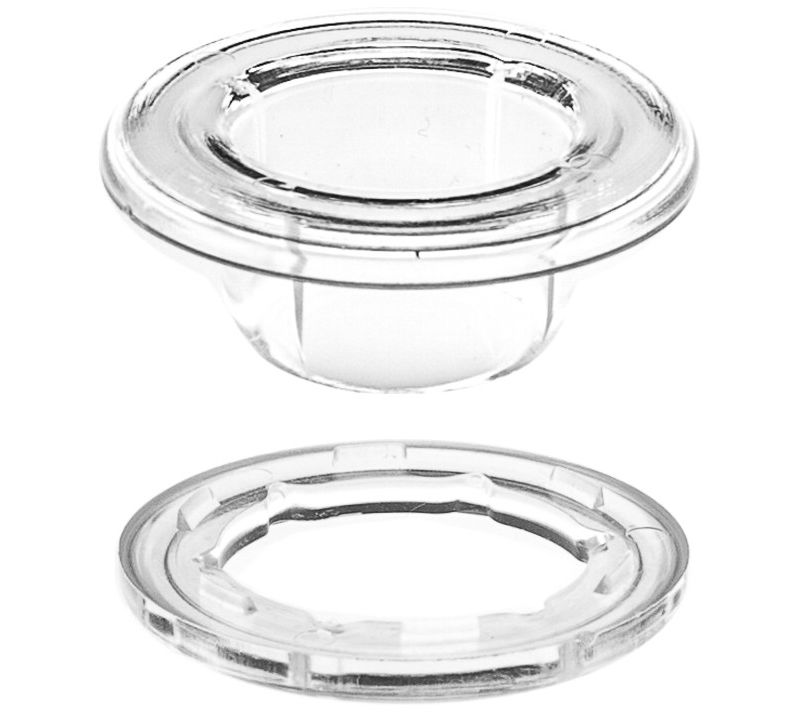
When you assess grommets from a manufacturing perspective, the most useful step is to check the relationship between the inner diameter and the true volume of the finished lace. It’s not enough to look at the lace’s commercial name. It’s worth testing it with the component and verifying how it goes in, how it slides, and how it behaves when the shoe is laced up and opened again many times.
What if the material is very stiff or very elastic? Something important happens. The same component can behave differently depending on the upper, the accumulated thickness and the deformation the area can tolerate where it will be set.
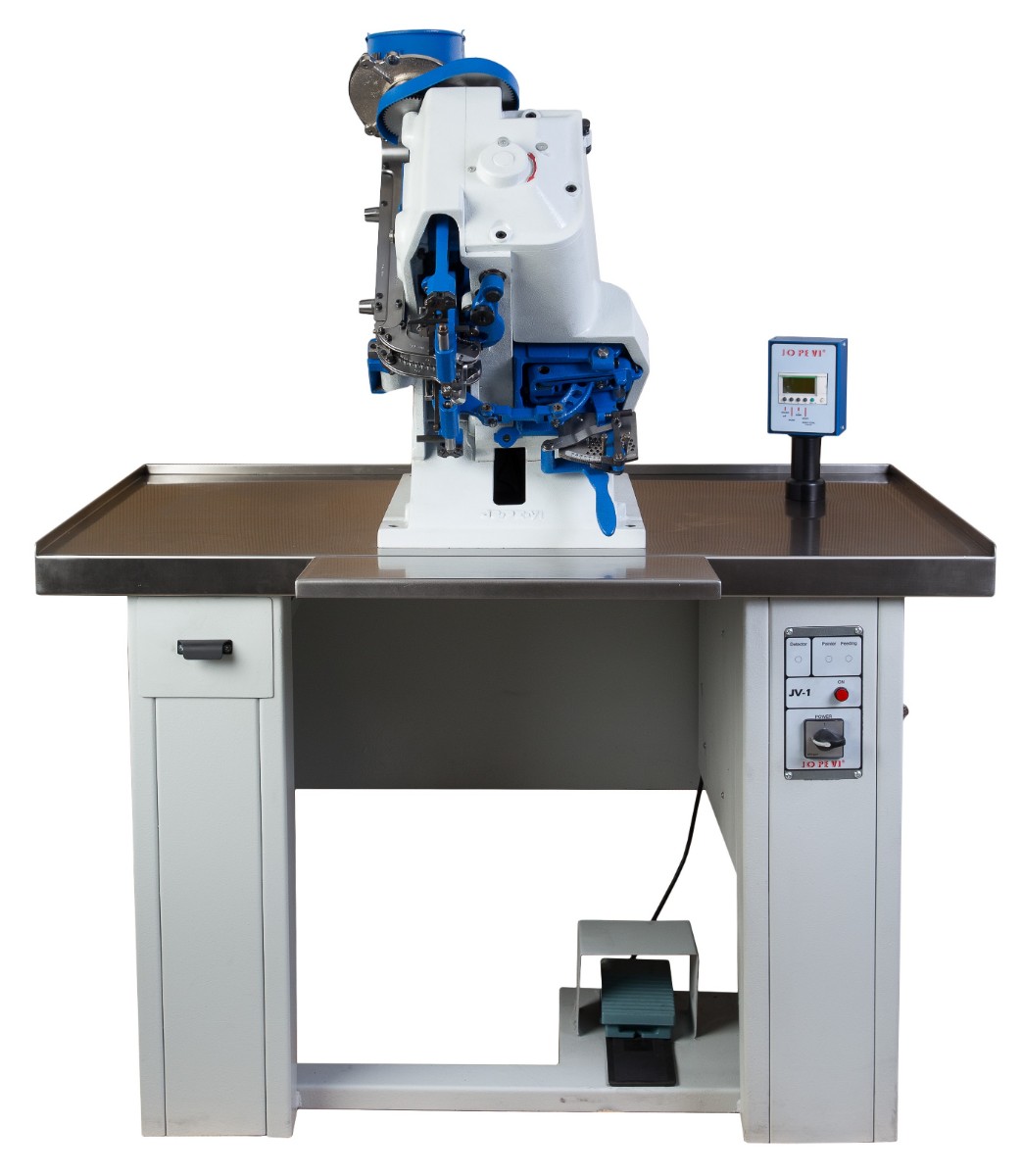
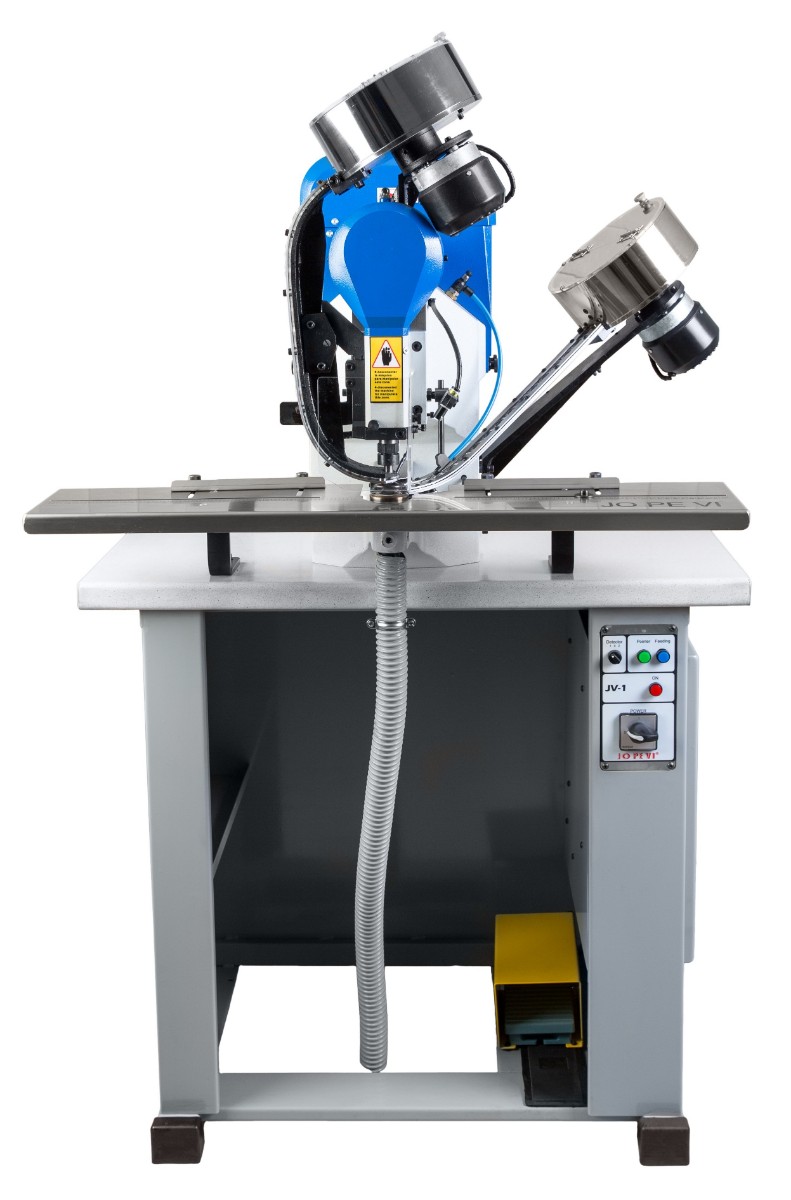
In our experience, the right machine helps you repeat the process cleanly and consistently—key when you need every pair to come out with the same alignment and the same setting pressure. Manual, pneumatic or automatic models such as J-22, J-21 or J-239 Plastico suit different production speeds, and that choice also affects result consistency.
- Precise setting to maintain symmetry on both sides of the upper.
- Repeatability when the model requires long runs without deviations.
- Adaptation to workshop pace with manual, pneumatic and automatic solutions.
- Tooling compatibility according to the component and material specifications.
Before launching full production, it’s worth making samples with the final lace, the real component, the definitive material and the intended die. That small trial usually prevents tears, looseness, misalignment and unnecessary rework.
When grommets are properly planned, we can help you produce with greater confidence
We know what happens on the factory floor when a punch pattern doesn’t match the closure or when the component isn’t uniform across the whole run. That’s why we don’t just talk about catalogues. We like to review with you the real use case, the part type and the production pace you need.
If you want to talk to our team about footwear setting machinery, we can guide you based on the material, the working system and the type of finish you’re aiming for.
When you have to decide the diameter, quantity and setting process for grommets, our advice helps you reduce failed trials and choose a repeatable solution for your line.
- In-house manufacturing of industrial machinery for setting eyelets and components.
- Personalised advice for footwear and other production sectors.
- International distribution in markets such as France, Italy, Germany, the United States or Portugal.
- Extensive experience with manual, pneumatic and automatic machines.
- Office: C/ Nicolas De Bussi, 32 (Elche Parque Empresarial), Elche, Alicante
- Phone: +34 966 65 10 08
- Email: info@jopevi.es