How footwear design changes when you have total freedom to choose grommets
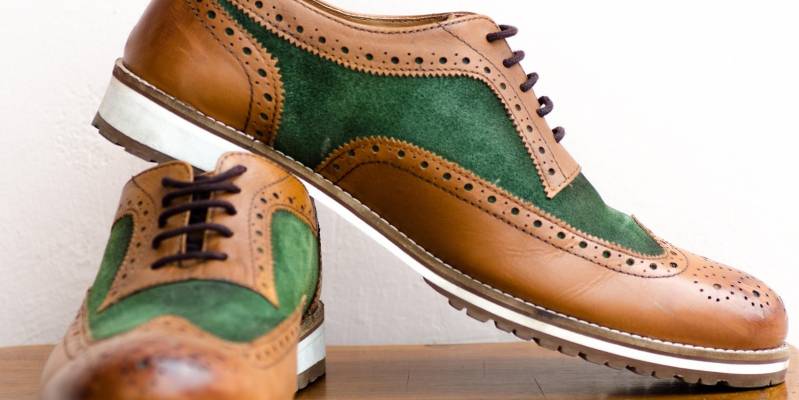
In footwear, grommets are no longer seen only as a solution for threading laces. Today, they are part of each model’s visual language and help define its character at first glance. When a brand can choose between different formats, colours and materials, it gains something very valuable in a saturated market: real ability to stand out.
That shift is especially noticeable in collections where every detail matters. A technical sneaker doesn’t call for the same finish as an urban shoe, and a kids’ model needs to convey different sensations than a safety boot. That’s where these small components stop being discreet and start working in favour of design.
They also influence the perception of quality. A good fit, a clean finish and a choice that aligns with the rest of the parts elevate the whole without major structural changes. Sometimes, a model’s personality starts right there.
In today’s manufacturing, this creative freedom is usually supported on several fronts.
- Shapes and sizes to adapt lace passage to the shoe’s style.
- Colours and finishes that strengthen collections, ranges or brand lines.
- Technical materials depending on use, required resistance or the final look.
- Precise setting processes to avoid deformations and improve the finishing.
When grommets change footwear aesthetics without making noise
Grommets have a virtue that often goes unnoticed until you compare one model with another. With the same last, the same leather or the same textile, a change in this component can make the design feel more technical, more premium, more youthful or more robust. That nuance matters—and a lot.
In sports lines, lighter finishes and more dynamic visuals often work well. In casual or fashion footwear, on the other hand, colour coherence and integration with stitching, rivets or decorative parts carry more weight. Can such a small detail change the entire reading of a shoe? In many cases, yes.
The interesting part is that it’s not just about decoration. When the component is well chosen, it supports the model’s identity and reinforces its intended use. That’s where a combination highly valued by designers and manufacturers appears: clear aesthetics and well-resolved function.
- Subtle formats for clean, minimalist models.
- More visible finishes for urban or fashion proposals.
- Hard-wearing options for work, technical or intensive-use footwear.
- Colour combinations aligned with laces and other accessories.
Shapes, materials and colour: grommets as a real creative resource
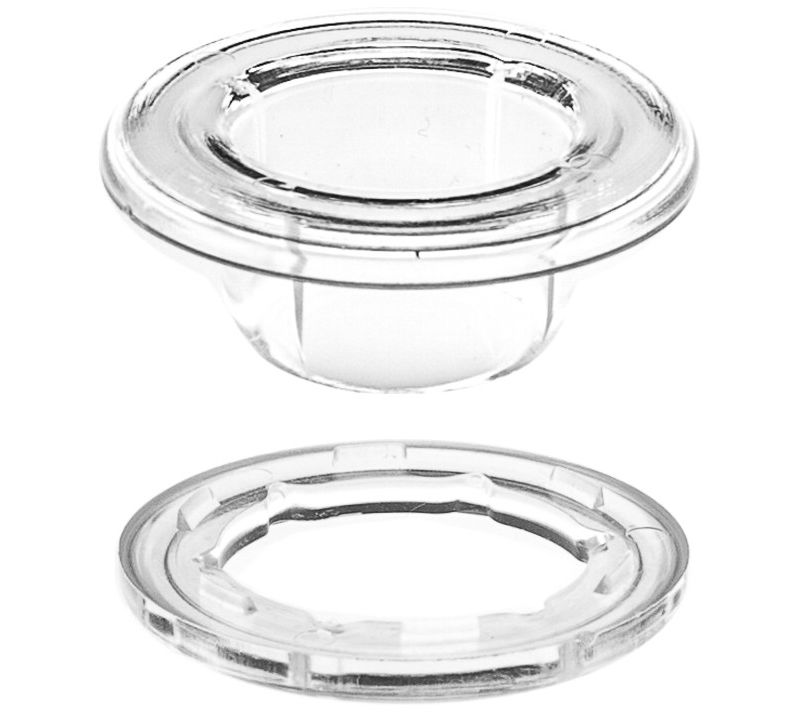
When a design team has variety available, product development truly changes. It’s not the same to work with a single reference as it is to combine plastic grommets, options with different visual presence, or more understated solutions for long runs. That breadth makes it easier to fine-tune each decision to the end customer.
At this point, the material has a lot to say. Plastic or polycarbonate components can add lightness, visual uniformity and very clean integration in certain styles. Other applications call for a metallic presence, especially when a stronger image or a very marked technical finish is required.
Shape also comes into play. A children’s design allows expressive licences that don’t fit a safety boot. An urban model may seek contrast, while a technical one demands visual order and resistance. That ability to adapt the detail turns a functional accessory into a brand-identity tool.
Precision in setting: grommets also come down to the machinery
Grommets don’t finish their job on the design table. Their real result depends on how they are set in production, because a well-chosen component can lose value if the finish isn’t clean, if there are deviations, or if the material suffers during the process. And in footwear, that shows immediately.
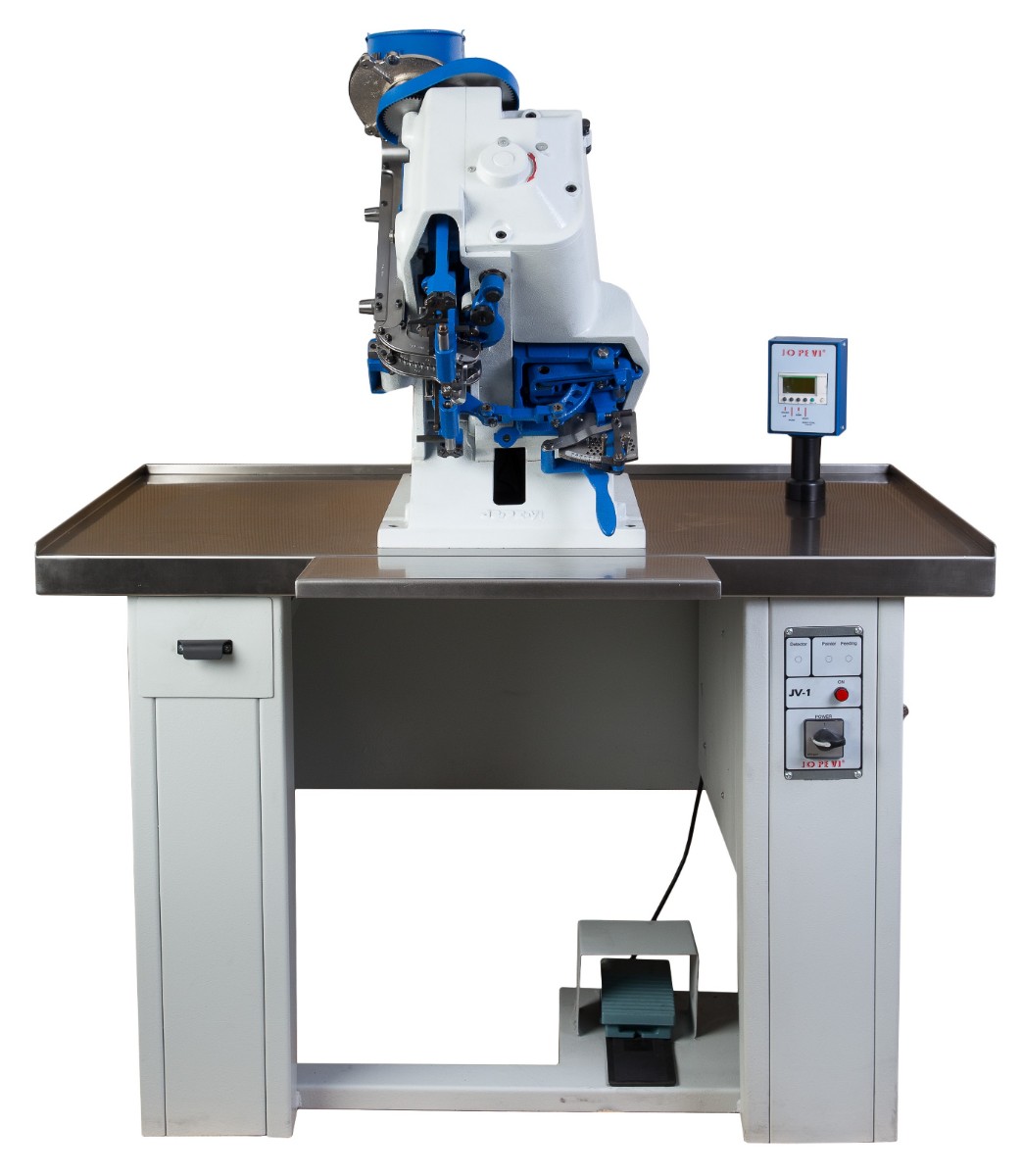
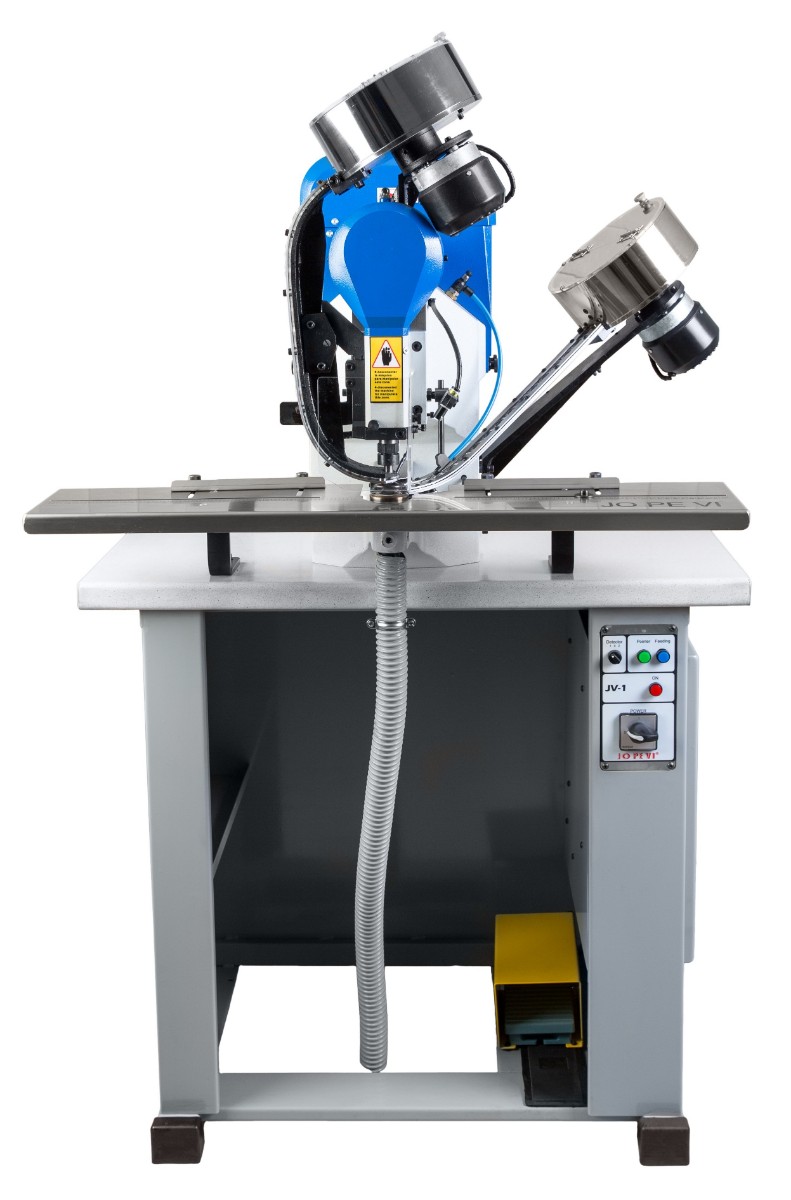
That’s why the right machinery makes a difference in pace, consistency and finish. At our company, we’ve been connected since 1969 to sectors such as footwear, leather goods, garment making, digital printing and curtains. We design and manufacture our own machinery in Elche Parque Empresarial, with manual, pneumatic and automatic solutions adapted to different production volumes.
We work with systems for setting eyelets, plastic components and rivets, and we have machinery capable of operating with plastic or metal eyelets depending on the application. If you want to understand better our track record as a machinery manufacturer since 1969, you can see where that specialisation comes from.
Our approach combines several points that make a difference in production.
- In-house manufacturing of machinery for real process control.
- Personalised advice based on footwear type and production volume.
- International experience with distribution across Europe, the United States and Oceania.
- Versatile solutions to meet different finishing needs.
If you’re looking to improve the final result of your grommets and expand your design possibilities without losing efficiency, we can guide you in a practical, close way. Sometimes, the difference between a correct model and a memorable one is a minimal part set with the right process.
- Office: C/ Nicolas De Bussi, 32 (Elche Parque Empresarial), Elche, Alicante
- Phones: +34 966 65 10 08
- Email: info@jopevi.es